
REVIEW · GRANADA DESERT & MOUNTAIN 4X4 SAFARIS
Granada Geopark: Stargazing Tour with Telescope
Granada’s night sky can feel like another world. The Granada Geopark stargazing tour uses a laser to help you learn the sky fast, then switches to real telescope views of planets, moons, galaxies, and nebulae. The best part is the combination of easy orientation (so the sky makes sense) and clear seeing in an area away from city lights. The one drawback is simple: you need warm layers, because the temperature can drop a lot in the mountains after dark.
You start at Mirador del Marquesado and meet in open, accessible space in the National Park of Sierra Nevada, at nearly 1,800 meters. That altitude and the low light pollution matter, because stars look sharper and fainter objects are actually worth waiting for. If clouds roll in, your view can improve or suffer, so going with a flexible mindset helps.
A big reason this tour earns such strong feedback is the way the guide teaches, with a named astronomer, Leo, called out for explaining things clearly and guiding everyone smoothly through what they’re seeing. Expect a patient, practical lesson, not a lecture where you stare at the ground.
Key things I’d do not miss
- Laser-guided constellation learning that helps you get your bearings quickly
- Telescope time for planets, moons, and deeper-sky objects like galaxies and nebulae
- Dark-sky setting in Sierra Nevada’s National Park, away from urban lights
- Leo-style clear explanations that keep the night understandable
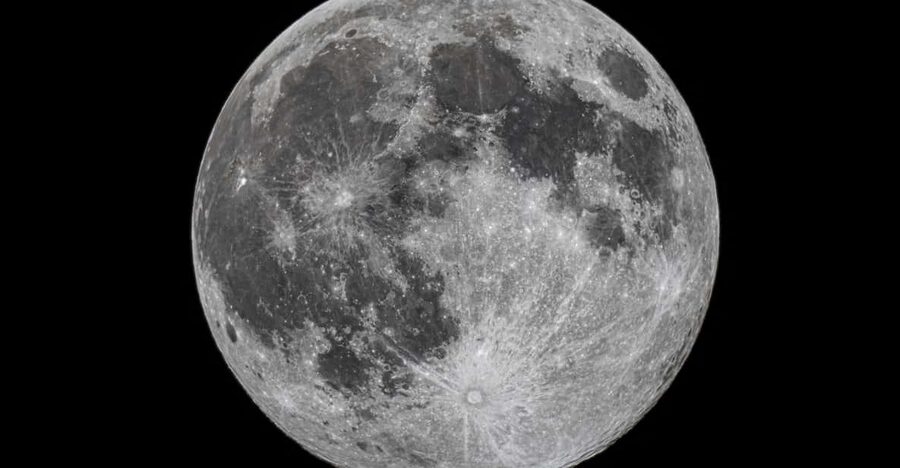
- Moon viewing with your phone when conditions allow, plus a group photo
Why Sierra Nevada’s dark skies matter more than the telescope
This isn’t just a night out. It’s a chance to see the sky under conditions that make a difference.
At nearly 1,800 meters in the National Park of Sierra Nevada, the air is often crisp and the light pollution is much lower than you get in town. That means the telescope has a better shot at showing you fainter targets, and your eyes get time to adapt. You’ll notice it in a practical way, not a poetic one: more stars show up, and objects look more distinct.
The tour also runs in open, accessible space. That matters because stargazing works best when you can comfortably look up without awkward angles or constant shifting. You’re there to observe, not to squeeze into a tight spot.
Meeting at Mirador del Marquesado: plan for cold, not crowds
You’ll begin at Mirador del Marquesado, then spend the guided part at a viewpoint location for about two hours. The start time depends on availability, so check the schedule ahead of when you want to be out late.
Bring warm clothing. The tour’s own heads-up is blunt for a reason: even in summer, nights in the mountains can feel significantly colder. If you only wear a light jacket, you’ll spend part of the tour thinking about temperature instead of stars.
If you tend to get cold easily, layer up early. Think warm base layer, insulating mid layer, and something wind-resistant. Comfortable shoes help too, since you’re likely standing or holding your position while looking through the telescope.
The laser lesson: turning a random sky into a map
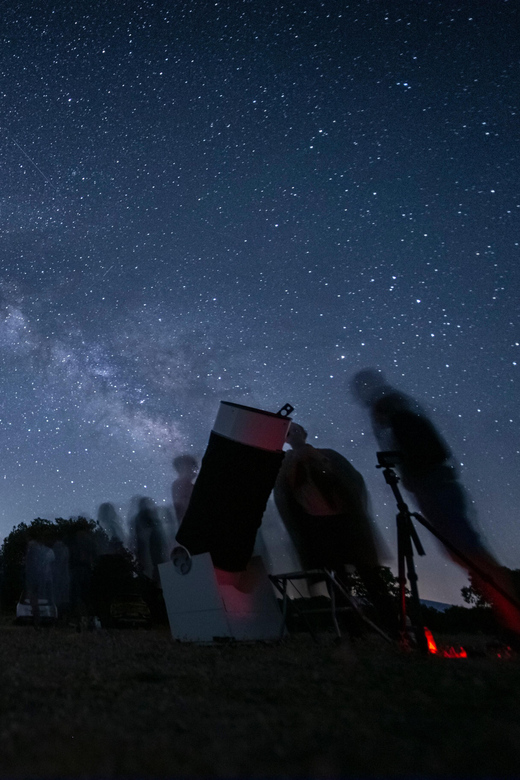
The first phase is where the experience becomes fun fast. You begin with an introduction to the celestial sphere using an astronomical laser. It’s a simple idea, but it works: instead of guessing where things are, you get visual anchors.
Then the guide helps you recognize the main stars and match them to their constellations. You also learn how the sky’s apparent movement changes your view over time, and how you can use stars to orient yourself. That’s huge, because once you understand orientation, you stop feeling like everything is just dots.
I like this approach because it turns stargazing into a skill you can reuse. After the tour, you’re not starting from zero when you look up again. Even if you forget the exact details later, you’ll remember the big idea: the night sky has structure, and you can find it.
And yes, Leo’s teaching style is specifically praised for clear explanations. That’s exactly what you want here, because the sky is not always intuitive at first glance.
What you’ll see through the telescope, from nearby planets to far galaxies
Once the sky has context, the tour shifts to observing the most prominent objects through a professional telescope. This is the moment where your learning meets your eyes.
You can expect a mix of:
- Stars, planets, and moons
- Galaxies, nebulae, and star clusters
The guide will choose what’s most visible and what looks best that night. On a good night, planets and moons are often the most satisfying for first-timers because you can see something more than point-light. On many nights, deeper targets like nebulae or star clusters can be harder, but that’s exactly why the dark-sky location matters.
A useful expectation to keep in mind: telescope viewing is not like daytime sightseeing. Your view may come in moments, and it can take a little time to adjust your eyes and focus. The guide helps you make sense of what you’re seeing, so you don’t just watch a piece of glass.
If the night is clear, the contrast between the “laser lesson” and the telescope views can be addictive. You start seeing constellations you just learned, and then you connect them to objects you can actually point at and observe.
Moon shots and group photo: small extras that actually help
Included with the tour is a group photo. It’s a nice keepsake, especially since stargazing is one of those experiences where the real proof is often just your memory.
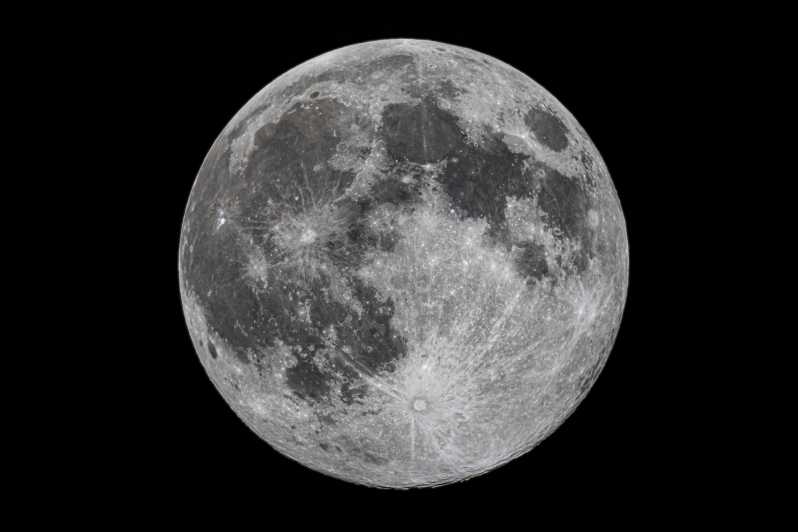
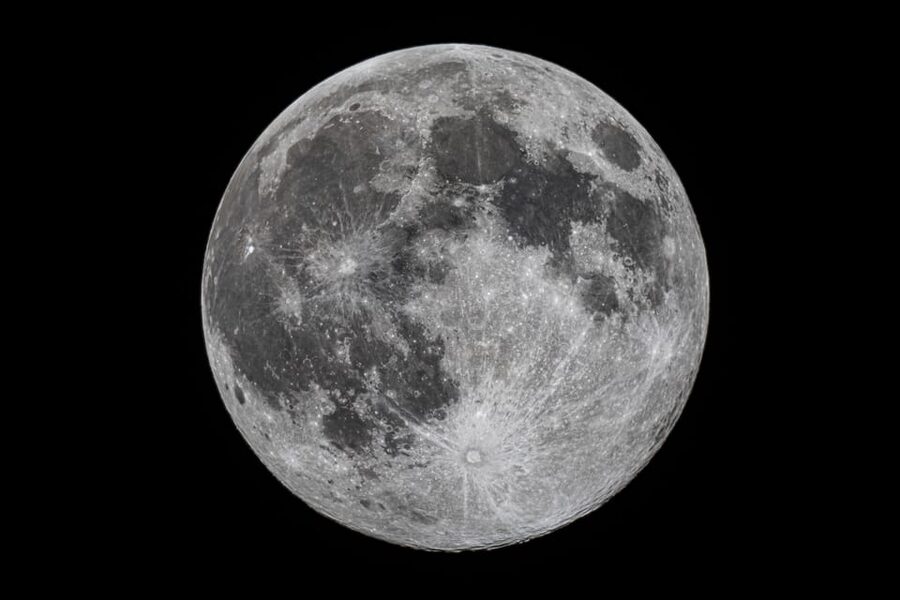
There’s also a chance to take a picture of the Moon through the telescope with your own phone when possible. This is worth paying attention to, because it gives you something practical to do during the observing window, not just stand and watch.
If you want your phone photo to work, keep expectations realistic. A phone can capture the Moon when conditions allow, but it still depends on visibility and the guide’s timing. Either way, the bigger value is that you get the chance when the Moon is on the menu.
The value question: is $28 worth it for 2 hours?
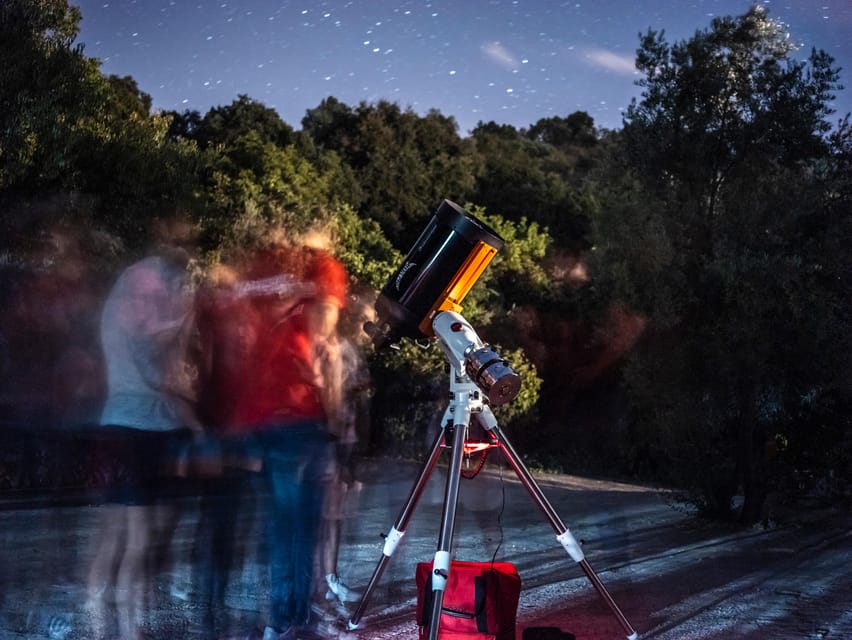
At about $28 per person for a 2-hour guided session, this tour is fairly priced for what you get.
You’re paying for three things that are hard to replicate on your own:
- A guided sky lesson that teaches you what you’re seeing, not just where to look.
- Telescope time through a professional setup, which makes a big difference under dark skies.
- Dark-sky logistics, since the tour operates away from urban lights in Sierra Nevada.
If you’ve ever tried stargazing from a city balcony, you know how frustrating it can be. Under light pollution, you’ll spend time looking for contrast that never arrives. Here, the conditions are set up so the telescope can actually show you something worth noticing.
For couples, this is a strong choice if you want shared time that feels educational but still magical. For solo travelers, it’s a good way to meet people who also want to look up and learn.
Logistics you should not ignore: timing, clarity, and your patience level
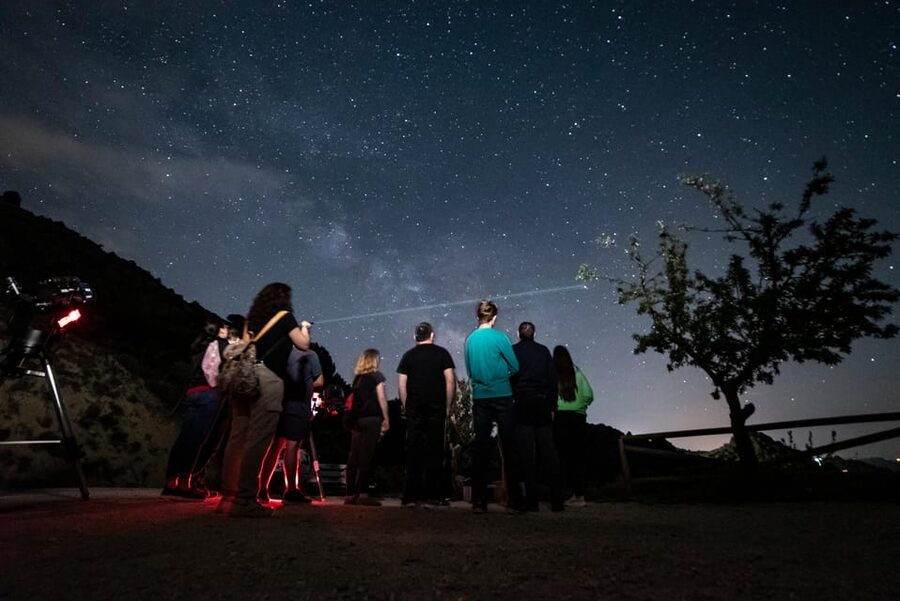
The tour lasts 2 hours, and starting times vary by availability, so plan to be ready on time at Mirador del Marquesado. Late arrivals can slow the whole group, especially when visibility depends on the night.
Sky conditions matter. If clouds roll in, you might get less than hoped. But the tour’s structure helps even then: you still learn constellations and orientation, which can make the evening feel productive even if observing time is limited.
Bring warm clothing even in summer, and also consider how you’ll handle staying still while looking upward. If you hate standing or you get uncomfortable standing still, prepare with a jacket that blocks wind and shoes that won’t make your feet complain early.
Who this stargazing tour fits best
This tour is a great fit if you want:
- A guided way to learn constellations and orientation
- Telescope viewing that includes both bright objects and deeper targets
- Clear teaching, with Leo specifically noted for explaining well
- A dark-sky setting in Sierra Nevada without needing to plan the astronomy details yourself
It may be less ideal if you:
- Want a long, flexible time window. This is two hours, so the schedule is tight.
- Are very sensitive to cold. You can solve this with proper layers, but you still need to come ready.
Should you book? My practical take
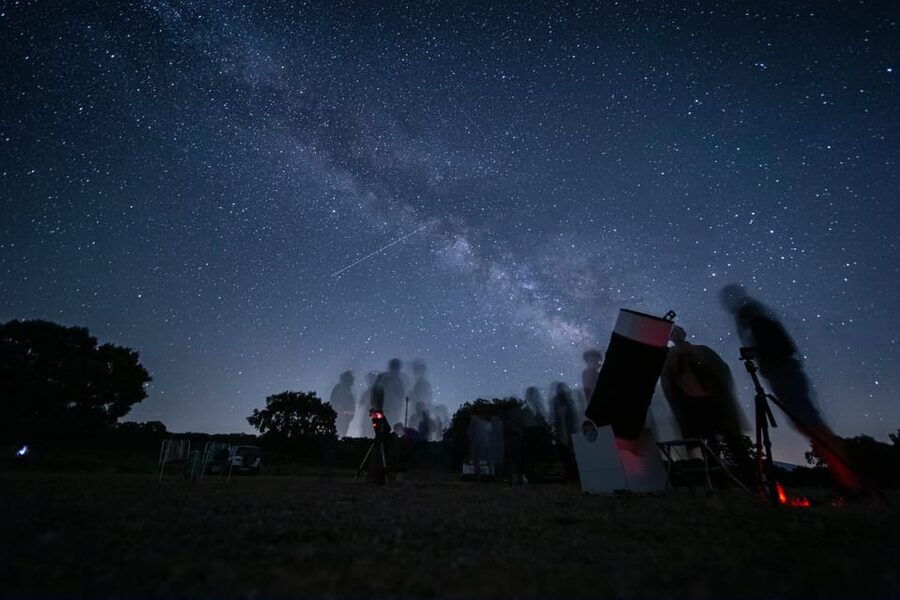
I’d book this tour if you want a simple, guided route into the night sky. The combination of laser-based orientation, telescope viewing of planets and moons, plus deeper-sky targets like galaxies and nebulae makes it feel like more than a quick look through a scope.
Especially if you’re new to astronomy, you’ll appreciate how the guide helps you recognize the main stars and understand how the sky’s movement affects what you see. And if you’re chasing clearer views, the open location away from urban lights in the National Park of Sierra Nevada is exactly the kind of setup that improves results.
If you like astronomy but hate feeling lost, this tour gives you a map first, then the telescope. That order makes the experience click.
FAQ
FAQ
What’s the duration of the Granada Geopark stargazing tour?
The experience lasts 2 hours, though you should check availability to see the starting times.
How much does the tour cost?
It costs $28 per person.
Where does the tour start and where do you return?
The tour starts at Mirador del Marquesado and returns there after the guided stargazing.
What will we do during the first part of the tour?
You’ll get an introduction to the celestial sphere using an astronomical laser, then learn to recognize main stars and constellations, including apparent sky movement and orientation.
What will we look at through the telescope?
The tour includes observing prominent objects through a professional telescope, including stars, planets, and moons, plus galaxies, nebulae, and star clusters.
Is the stargazing location away from city lights?
Yes. The tour takes place in open locations away from urban lights to support very good star visibility.
What language is the live guide available in?
The live tour guide is available in English and Spanish.
Do I need to bring anything?
Yes. Bring warm clothing. It can get significantly colder at night in the mountains, even in summer.
Is there a group photo or any phone photo option?
A group photo is included, and there is an opportunity to take a picture of the Moon through the telescope with your own phone when possible.
Is the tour wheelchair accessible and can I cancel?
The tour is wheelchair accessible. You also have free cancellation up to 24 hours in advance for a full refund, and you can reserve and pay later.
If you tell me when you’ll be in Granada and what month you’re going, I can help you pick the best kind of night to aim for and how to pack layers for Sierra Nevada temperatures.
Granada Desert & Mountain 4x4 Safaris, side by side.
 ★ 4.9Sierra Nevada Safari Tour to 2500 m with a DrinkFrom $851,466 reviews
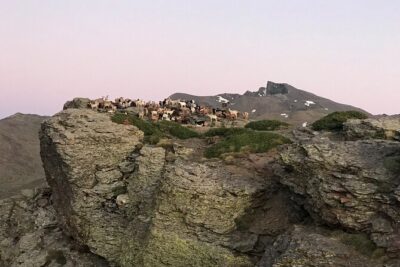 ★ 5.0Sierra Nevada Safari tour up to 2500 meters highFrom $102673 reviews
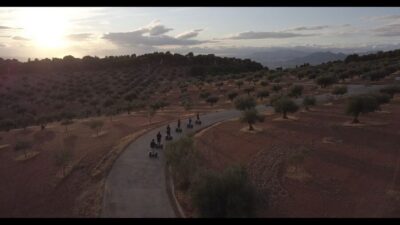 ★ 5.0Mountains and Landscapes Off-Road Segway TourFrom $5826 reviews
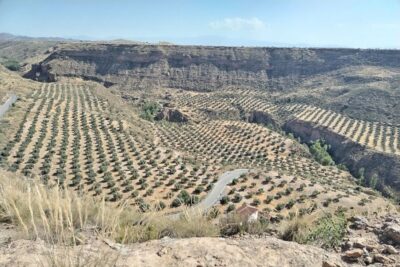 ★ 4.8End of the World Viewpoints 4×4 Tour in the GeoparkFrom $12719 reviews
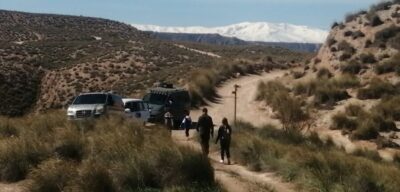 ★ 5.0Gorafe: Los Coloraos Desert 4×4 TourFrom $18116 reviews
Other Granada pages with this tour