
REVIEW · LAS ALPUJARRAS & TREVéLEZ DAY TOURS
From Granada: Alpujarra Mountain Villages Tour
White villages in the mountains, in one day. From Granada, this Alpujarra tour strings together high-altitude villages, white Mozarabic-style houses, and mineral-water culture in the foothills of the Sierra Nevada.
I love how the day balances guided context with real time to wander. You learn why places like Trevélez matter for cured ham, and you still get a full hour to meander in Pampaneira plus a long break in Capileira.
One thing to consider is that it is a long day with lots of road time. The mountain drive is famously curvy, and if you are prone to motion sickness, plan ahead.
Key highlights worth your attention
- A tight village circuit in the Alpujarra foothills that feels a world away from central Granada
- Lanjaron and the Fuente Agria water stop for mineral-spring culture and local medicinal lore
- Trevélez, Spain’s highest village, paired with a cured-ham tasting in local shops
- Free time in Pampaneira plus a long Capileira break, so you are not just herded from stop to stop
- Craft stops for handmade jarapas, straw baskets, and colorful woven goods
- Strong guide energy in both English and Spanish, with frequent praise for guides such as Alfredo, Michael, Alexandra, and Angela
More white villages on the far slope
- From Granada: Alpujarra Mountain Villages Tour★ 4.7 · 298 reviews
- From Granada: Alpujarra Villages Guided Day Tour★ 4.8 · 217 reviews
- Premium Scenic Daytrip to Alpujarra Villages from Granada (Max 8)★ 4.5 · 156 reviews
- Las Alpujarras Full-Day Tour with Optional Lunch from Granada★ 4.5 · 133 reviews
Why the Alpujarra day trip from Granada feels like a different Spain
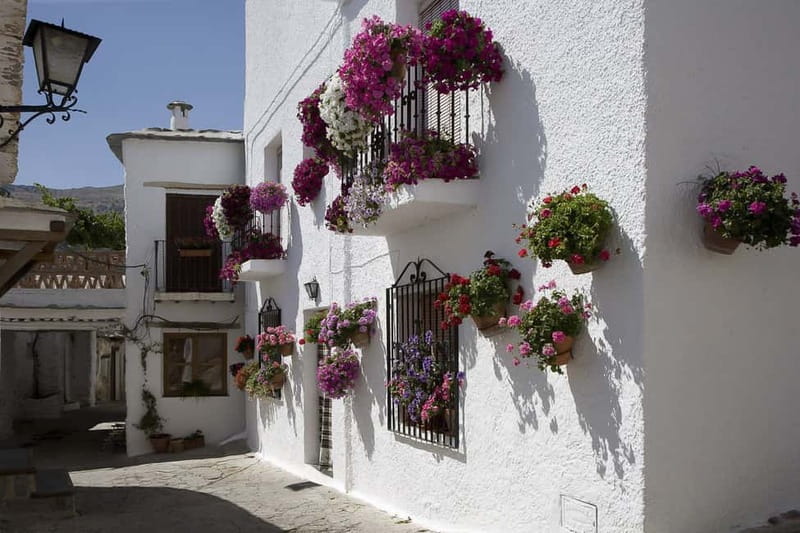
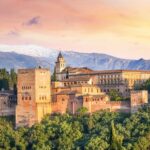
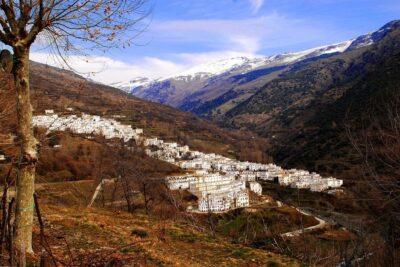
The Alpujarra region sits along the southern edge of the Sierra Nevada, where rugged slopes and valleys hold onto green patches, orchards, and wild herbs. The villages look like they are perched in midair, with white buildings scattered across steep terrain. If Granada is all streets, courtyards, and grand monuments, the Alpujarra gives you altitude, views, and everyday rural life.
The standout for me is the way this trip explains the place while you see it. You are not just getting photos of white houses. You hear why the architecture shows up here in that distinctive style, how the mountain villages built their routines around water and altitude, and why cured meats became such a big deal in the higher settlements.
I also like that the itinerary gives you breathing room. You get guided time where it counts, then you get to roam on your own in the villages where the streets are made for wandering, not rushing. That mix is why a day like this feels satisfying even though it is only 8 to 10 hours.
Getting to Lanjaron: mineral waters and a quick village reset
You start with hotel pickup across central Granada, then settle onto the coach for about an hour. This is not a sightseeing bus tour in the city sense. It is a steady transfer into the foothills, where the scenery changes fast and the air feels different the higher you go.
Your first real stop is Lanjaron, with about 30 minutes to visit. This is one of the town names that pops up when people talk about Alpujarra water culture. Expect a compact village feel, a chance to stretch your legs, and an easy orientation before the day turns more scenic.
Even better, your water story does not stop at Lanjaron. The tour includes an additional stop connected to mineral springs, and that is where the day’s theme really locks in. You will start noticing how often locals talk about water as medicine, not just something to drink.
If you are traveling in cooler months, you might appreciate that early switch to mountain air. Several guides and passengers have flagged that it can feel windy and chilly in the villages, so bring layers even if Granada feels warm that morning.
Pampaneira free time: small streets, big views, no rush
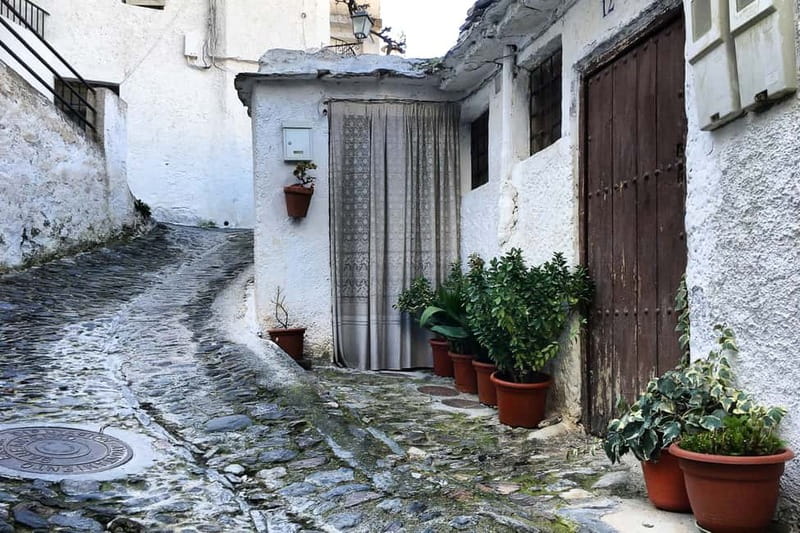
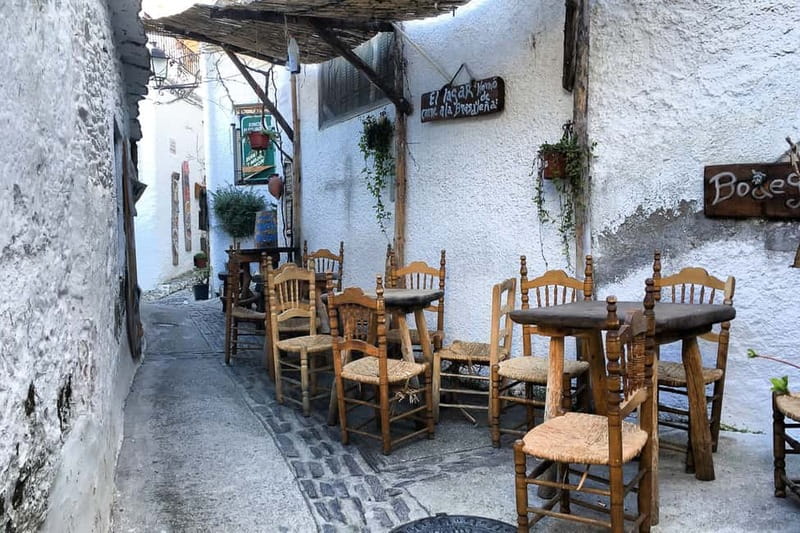
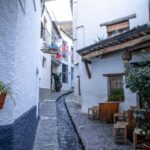
Pampaneira is one of those villages where 60 minutes can feel both short and perfectly timed. You get free time here, which matters. The Alpujarra is built for slow movement, and Pampaneira’s lanes are ideal for stopping, looking up at the slopes, and browsing without feeling like you have to “cover” everything.
In practice, that free time is a chance to do three smart things:
1) Find a viewpoint and soak in the valley shape
2) Walk to a quieter pocket of streets when groups bunch up
3) Pop into small shops selling locally made items
Many visitors come to the Alpujarra specifically to see handcrafts. This is a good moment to decide what you want to take home, whether it is woven goods or other traditional pieces. If you tend to wait until the end of a tour to shop, you will often miss the best browsing window. Pampaneira gives you that early chance.
Portugos and Fuente Agria: the Fountain of Sourness stop
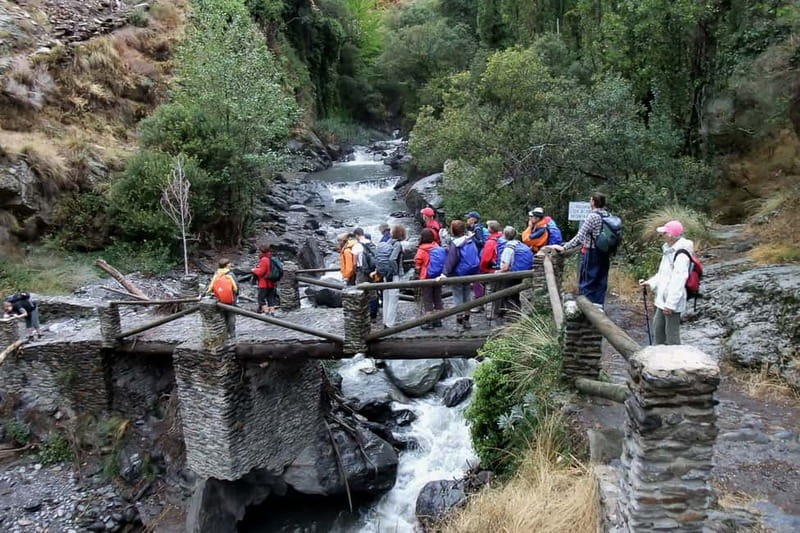
A highlight on this route is the stop near Portugos at Fuente Agria, often described as the Fountain of Sourness. The point of this stop is not a long museum visit. It is a place where mineral waters show up as part of daily tradition.
The tour explains that crystal-clear mineral water from this Sierra Nevada region was historically used by local villagers for medicinal purposes, thanks to its high mineral content. Whether you care about the science or just the story, it is an interesting way to understand why these communities treated water as something special.
This is also a good pause for your body. After curving roads and village time, you get a relatively calm moment to step outside, look at the water source, and reset before moving into the bigger draw of the day: Trevélez and Capileira.
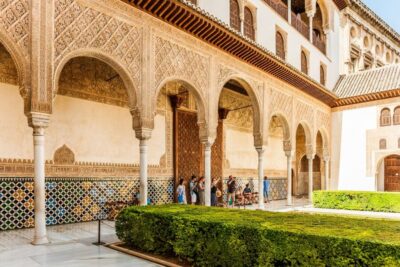
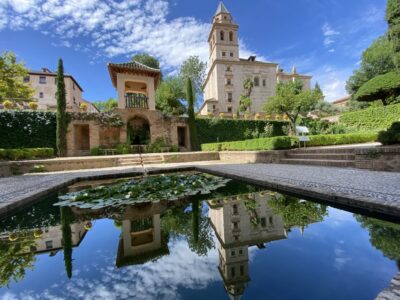
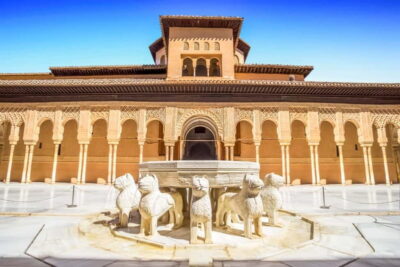
Trevélez, Spain’s highest village, and its cured-ham culture
Then comes Trevélez, which the tour frames as the highest village in Spain. It is a major reason people do this day trip at all. The higher altitude, the dry conditions, and the long tradition of curing all play together, and the result is a place known far beyond the local region for cured hams.
You get about an hour of guided time here. That guided component matters because cured meat culture can sound like a food fact until someone explains the geography and the routine behind it. You learn why this village, at altitude, became the right place for the curing process.
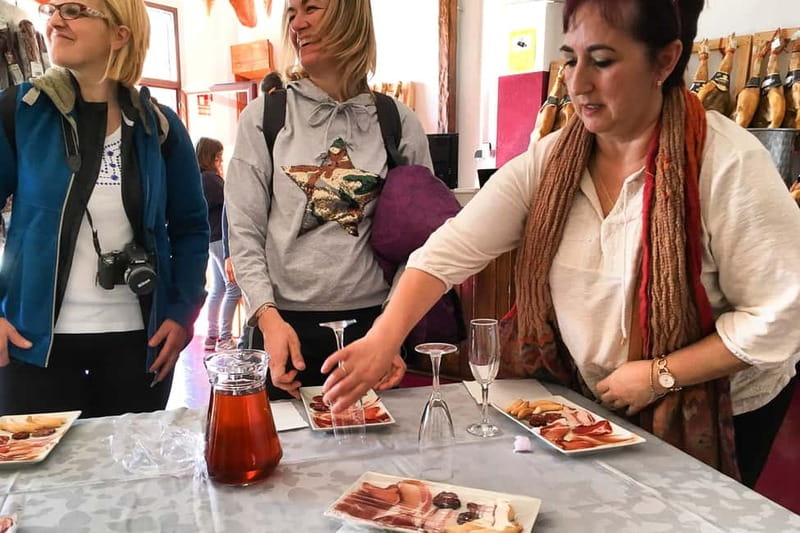
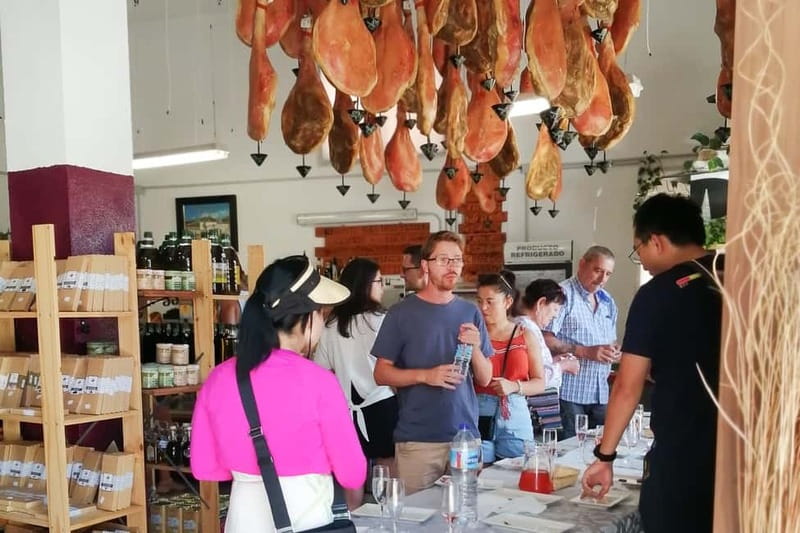
After that, you get a tasting experience focused on locally made products. In the best cases, these tastings feel more like a hands-on food lesson than a quick bite. From recent trips, guests have specifically praised ham tastings and tastings at local shops such as jamonerías like Dani’s Jamoneria, plus the classic pairing of Iberian products with wine.
One practical tip: if you are booking lunch as well, pace your appetite in Trevélez. The tastings can easily be more than a sample, and most people leave full, not hungry.
Capileira break and traditional lunch with mountain views
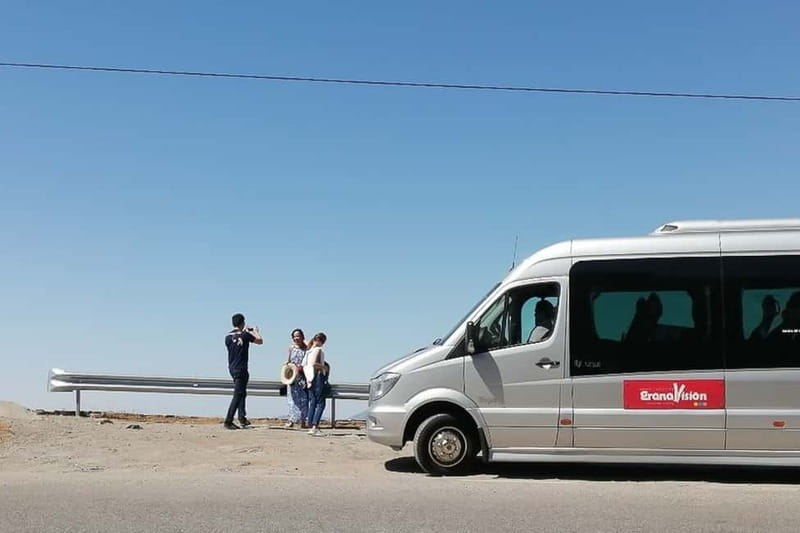
Capileira is where the day starts giving you those dramatic “we are really up here” moments. The village sits high with views down toward the Barranco del Poqueira valley, and the scenery feels immediate once you step outside.
You get about 1.5 hours here, with a break that can include a traditional lunch and drink if you choose that option. This timing is smart. By late afternoon, you will want one sit-down moment that feels like part of the trip, not a rushed fuel stop.
The lunch option is a big value add. Guests have described it as a delicious traditional meal, often served al fresco with mountain scenery in the background. Even if you are not a huge foodie, it is the kind of meal that ties the day together: cured products earlier, then a fuller Alpujarreño plate in Capileira.
If you need a vegetarian-friendly approach, you might find that some teams can accommodate. One past booking described a vegetarian-style alternative for the tapas format, swapping pork-based items for a cheese-and-olive purée style plate. Do not count on this automatically for every departure, but it is worth asking when you book.
The food stops that make this tour worth $80
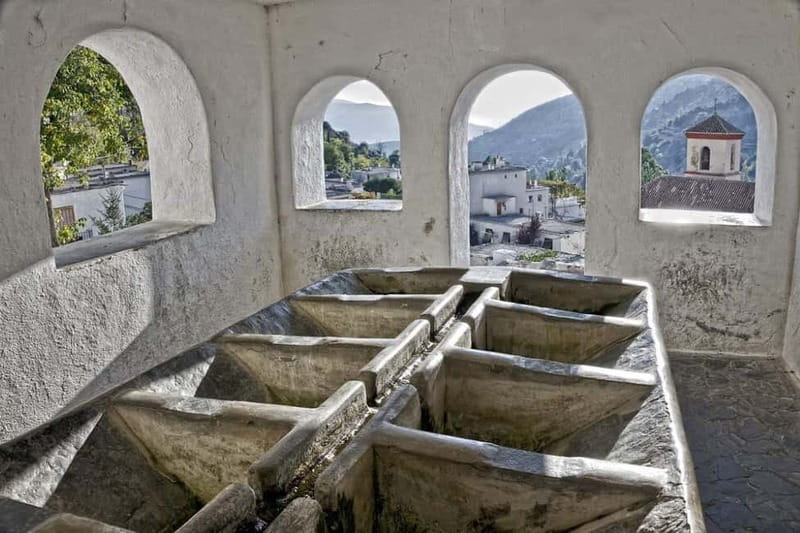
At around $80 per person for a 8 to 10 hour day, the real question is value. For me, the deal is that you are buying more than transportation. You are buying:
- pickup and drop-off from central Granada
- a local guide who gives you context as you go
- multiple structured stops, including tastings
- and potentially a traditional lunch and drink (if you choose the option)
Food is the glue on this route. The tasting moments are not just about eating. They are a quick education in what the region produces, why it lasts, and how locals build their economy around the mountain conditions.
From recent comments, the tastings tend to be a standout. Many people praise the ham, salami, and cheese style tasting format, plus the way the guide keeps it relaxed and informative. There have even been bonus moments like chocolate tastings showing up on some days, which is a pleasant surprise when you are already expecting food.
A small balance point: a few bookings also flagged that certain craft or sales stops can feel a bit like shopping pressure. You can still treat them as “see how it is made, then buy if it fits.” Bring money only for the items you genuinely want, and you will enjoy the experience more.
How much walking and bus time to plan for
This is not a hardcore hiking trip, but it is also not fully sedentary. You will do short walking bursts in villages, plus some time on foot to see viewpoints, streets, and shops.
The bigger variable is the road. The mountain drive is curvy, and guides have referenced it as hundreds of curves on different days. That means you should take motion sickness seriously if you are sensitive.
My practical advice:
- Sit where you feel most comfortable. Some people prefer front seats on twisty roads.
- Bring motion-sickness meds if you know you need them. One guest suggested Dramamine specifically.
- Dress in layers. Mountain air can be colder and breezier even when Granada feels sunny.
Also, this is a full-day outing. If you go in planning to rest, you will feel better. If you go in expecting a quick “tourist hits” sprint, it will feel long.
Picking the right departure and what to bring
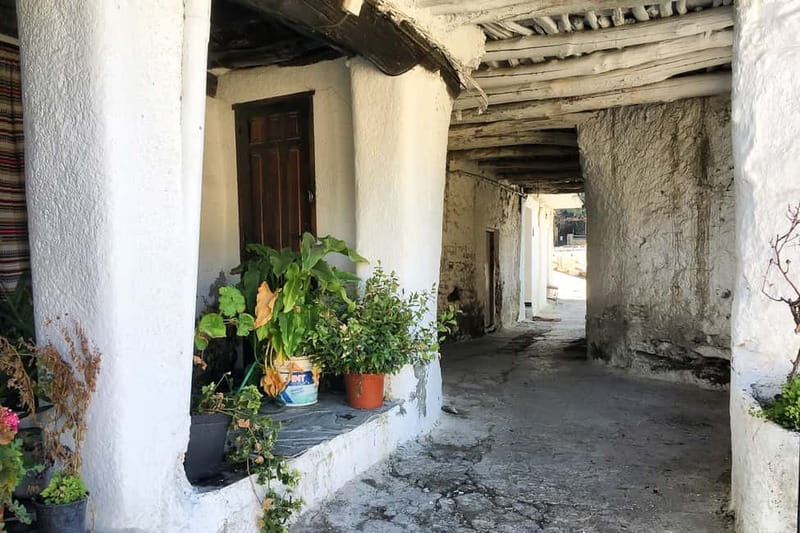
You will likely be picked up from central Granada hotels, with multiple nearby options. Your day ends with drop-off at several central Granada hotels as well. That makes it easier than trying to piece together bus connections for places like Trevélez and Capileira, especially if you do not want to drive mountain roads yourself.
Bring:
- Your passport or ID card
- Layers, especially if you are traveling in autumn or winter
- Comfort shoes for short village walks
- If you get carsick, plan for it ahead of time
Language-wise, this tour runs with Spanish and English. From the comments I saw, guides often switch smoothly, and some departures even handle situations where there is only one English speaker by translating as needed.
If you want the best “I understand what I am seeing” day, arrive ready to listen and ask a question if something interests you. The guides named in past bookings, including Alfredo, Michael, Alexandra, and Angela, were frequently praised for making the day feel easy and relaxed rather than scripted.
Should you book this Alpujarra tour from Granada?
Book it if you want an efficient way to see high-altitude Spanish village life without juggling transport. I especially recommend it if Trevélez ham culture, mountain village architecture, and local tastings are on your must-do list.
You might skip it if:
- you hate long days in a coach
- you are very motion-sickness prone and cannot handle twisty mountain roads
- you prefer totally independent travel and dislike any structured shopping stops
Overall, this is good value for Granada. For about $80, you get guided context, multiple distinctive villages, a strong focus on Alpujarra food, and a traditional lunch option that most people remember long after they leave the Sierra Nevada.
FAQ
How long is the Granada to Alpujarra mountain villages tour?
The tour runs about 8 to 10 hours.
Where does the tour start and end?
It includes pickup from central Granada hotels and drop-off at multiple hotel locations in Granada.
Which villages are included on the route?
The route includes stops in Lanjaron, Pampaneira, Trevélez, Capileira, and additional Alpujarra-area stops along the way.
Is lunch included?
Traditional lunch and drink are included if you choose the lunch option.
What languages are offered by the guide?
The live tour guide provides Spanish and English.
What should I bring for the day?
Bring your passport or ID card.
More Tours in Granada

More Tour Reviews in Granada
White Villages of the Alpujarras
Just added from around Granada

Las Alpujarras & Trevélez Day Tours, side by side.
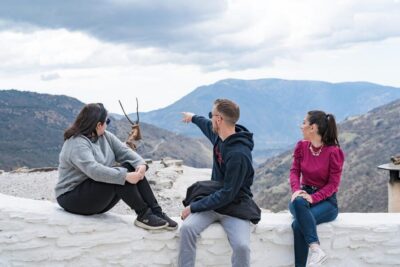 ★ 4.8Alpujarra Villages Guided Day TourFrom $108217 reviews
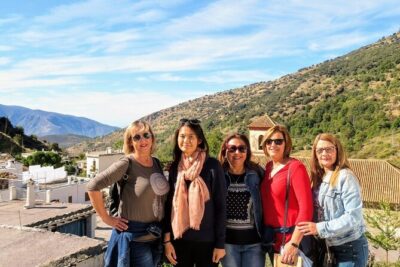 ★ 4.5Premium Scenic Daytrip to Alpujarra Villages from Granada (Max 8)From $139156 reviews
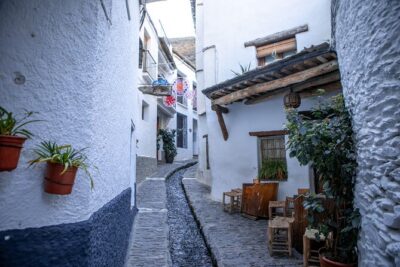 ★ 4.5Las Alpujarras Full-Day Tour with Optional Lunch from GranadaFrom $102133 reviews
 ★ 5.0Alpujarra Private DayTrip from GranadaFrom $38526 reviews
 ★ 4.5Alpujarras Day Trip Private or Small Group TourFrom $15012 reviews
 ★ 4.6Day Trip to Trevélez with Ham FactoryFrom $11712 reviews
 ★ 5.0The Unchanged Villages of Alpujarra Small-Group Guided Day TripFrom $3117 reviews
 ★ 4.5Day trip in Trevélez and a visit to ham drying factoryFrom $1366 reviews
Other Granada pages with this tour