
REVIEW · SIERRA NEVADA MOUNTAIN TOURS
Hiking experience in the High Sierra Nevada National Park
High Sierra power, right from Granada. This full-day trek takes you into the UNESCO-listed Sierra Nevada Biosphere Reserve, climbing from the top of the Sierra Nevada road up toward the Tajos del Campanario viewpoint. Along the way you pass a real glacial valley, history at Posiciones del Veleta, and huge north-face views on a day that feels active but never rushed.
What I love most is the mix of scenery and learning: you hike through the glacial San Juan Valley with flowing water, lakes, and wildflowers, then you get context for what you’re looking at from the Veleta fortifications. I also like the small-group feel, since it caps at 8 people, and the guide sets a pace that works for different fitness levels.
One possible drawback is the altitude and steep sections. You start around 2,500 meters, and the climb can feel like a step up from casual hiking, especially if you’re not used to thinner air and rocky, sometimes slick footing.
Key Things I’d Plan Around
- 2,500 m start altitude makes this feel harder than it looks on a map
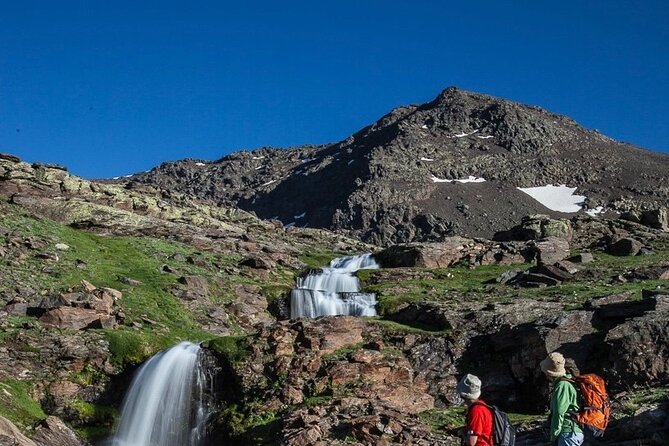
- San Juan Valley glacial features bring water, lakes, and wildflowers early in the hike
- Posiciones del Veleta stops add big-view history, including Spanish Civil War fortifications
- Tajos del Campanario payoff includes north-face views of Muhacén, Veleta, and Alcazaba
- Small-group pacing (max 8) means the guide can adjust the plan for the group
Higher up the same road
- Granada: Sierra Nevada Safari Tour to 2500 m with a Drink★ 4.9 · 1,466 reviews
- From Granada: Sierra Nevada Safari tour up to 2500 meters high★ 5.0 · 673 reviews
- Sierra Nevada Small Group E-Bike Tour★ 5.0 · 282 reviews
- Granada: High Sierra Nevada Hiking Tour to 3000 Meters★ 4.9 · 223 reviews
From Granada to the Sierra Nevada Road, Then Into the Thin Air
Pickup is in central Granada, starting at Plaza de Mariana Pineda, with a 9:00 am departure. You’ll ride out of town up toward the Sierra Nevada road, reaching about 2,500 meters (8,200 feet), then begin hiking from there.
This is a big reason the day feels efficient. You’re not spending hours searching for trailheads or figuring out transport, and you’re also getting to altitude early enough that the morning hike is the main event. The downside is that you are already higher than you’re used to, so take it easy on the first uphill section and let your body settle.
San Juan Glacier Valley: Water, Wildflowers, and Wildlife On Early Legs
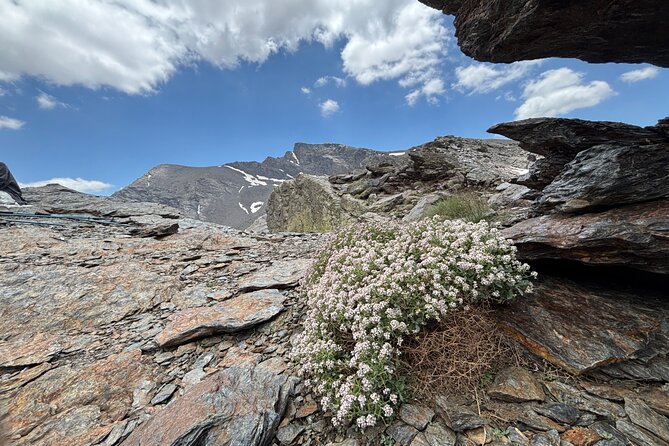
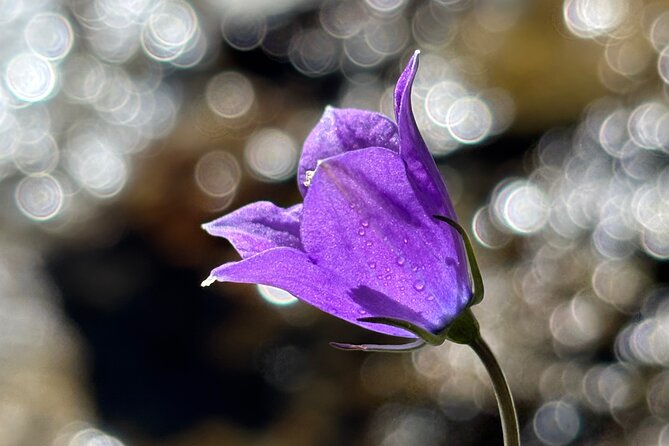
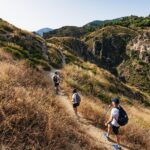
Your walk begins in the glacial Valley of San Juan, where the trail stays scenic and alive. Expect flowing water, lakes, and the kind of rocky, shiny surfaces that make it obvious glaciers shaped this place long ago. Wildflowers can be in bloom at the edges of the trail, and that gives the hike color before you’re fully warmed up.
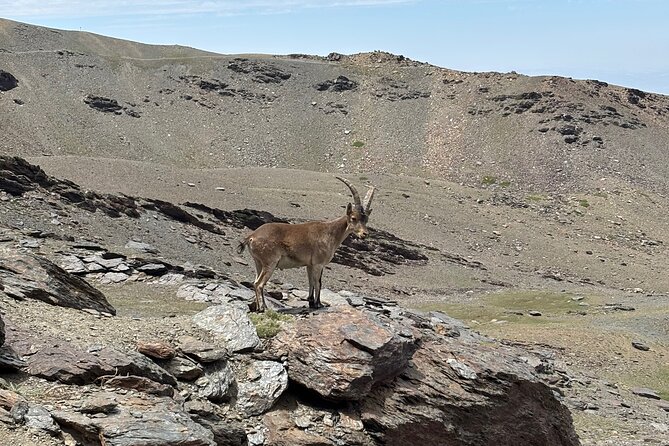
This valley is also where wildlife becomes part of the experience instead of a bonus. You might spot mountain goats, eagles, and migratory birds, plus insects and plants that are unique to the region. Even if you don’t get a perfect animal sighting, the combination of water sounds and open sightlines makes it feel less like a “just hike” day and more like a moving viewpoint.
Practical note: early on, keep an eye on footing. The terrain is often rock-based, and several hikers found trainers workable but less secure than boots with grip.
Posiciones del Veleta Fortifications: History Meets High-Mountain Views
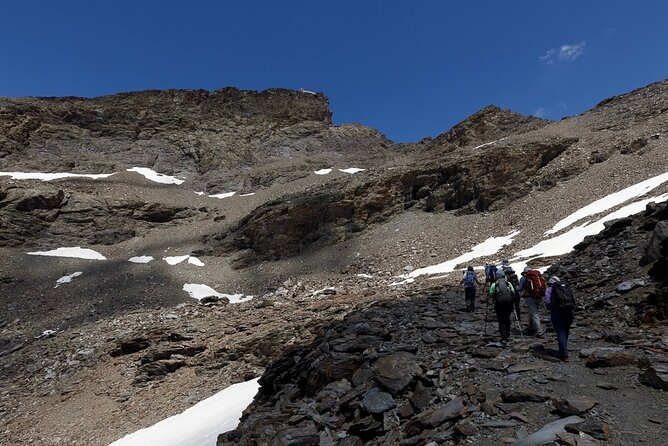
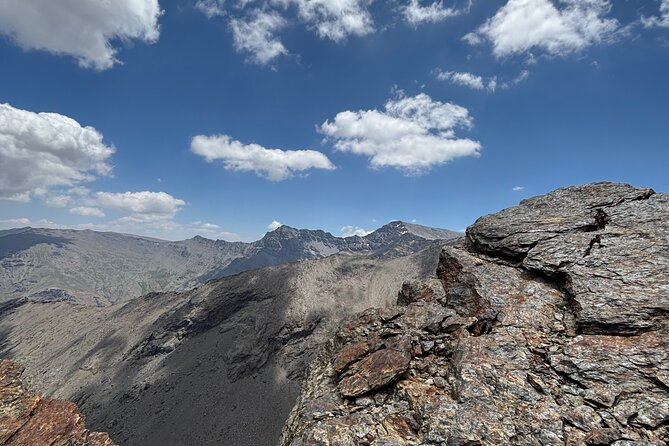
Partway through the hike, you reach Posiciones del Veleta. This is more than a photo stop. It’s where fortifications were built during the Spanish Civil War, and the views show the northern face of Sierra Nevada stretching out with year-round snowfields.
That historical angle matters because it gives you a reason to slow down and look around. You’re not just climbing toward scenery, you’re standing in a landscape where strategic positioning made sense. At the same time, the altitude turns the horizon into something dramatic and wide, so even a short pause feels like a mini break from effort.
The other practical benefit is pacing. These stops break the day into chunks, and they give the guide a natural moment to regroup, check how everyone is doing, and adjust pace.
Tajos del Campanario: The Big North-Face Payoff
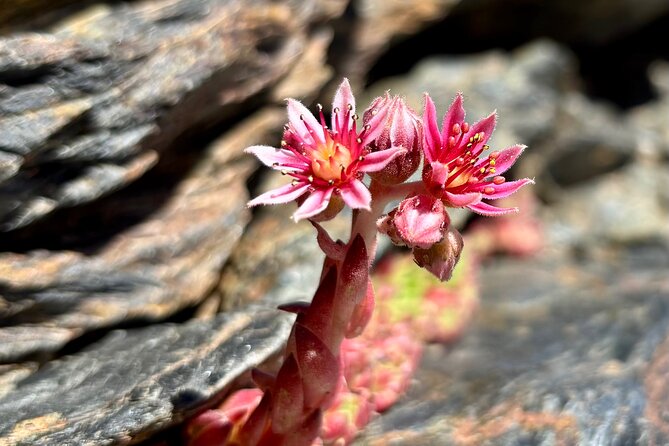
The main objective is the climb to the top of Tajos del Campanario. From here, you get views of the north face of Muhacén, Veleta, and Alcazaba, with snowfields in the mix depending on season and conditions.
This is the part of the day where the “why” clicks. Earlier sections can feel steep and rocky, but once you’re at the viewpoint, you understand what you worked for. The massif scale is hard to judge from Granada city streets, and that’s exactly why this hike feels like a real mountain change of pace.
If you’re traveling for photos, don’t overpack your schedule. Bring time for standing, looking, and catching your breath. Your legs might be tired, but the view is the moment that earns it.
Longer days on the Sierra Nevada paths
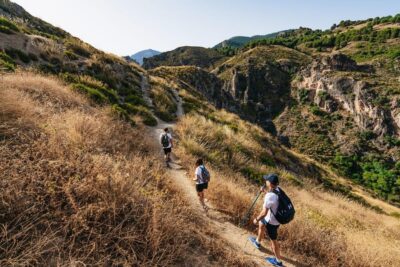
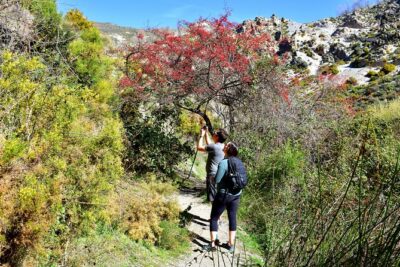
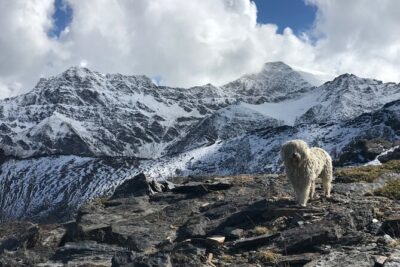
Pace, Fitness, and How the Guide Keeps It Enjoyable
This is described as a hike for people with moderate physical fitness. In practice, the altitude and steady climbing mean you should plan for a day that tests cardio and stamina, not just lower-body strength.
The guide sets the pace for the group and makes several stops along the way. That’s important, because thin air changes how your body responds. One of the most praised elements here is how calm and patient that support can be, including backing off the pace when needed and giving space during uphill climbs.
A smart strategy is to treat the hike like intervals. Go slower than you think you should on the steep parts, then recover at the guide’s stop points. If you’re feeling cooked, there are also spots where you can wait briefly for the rest of the group on the way back.
Terrain Reality Check: Sneakers Can Work, But Grip Matters
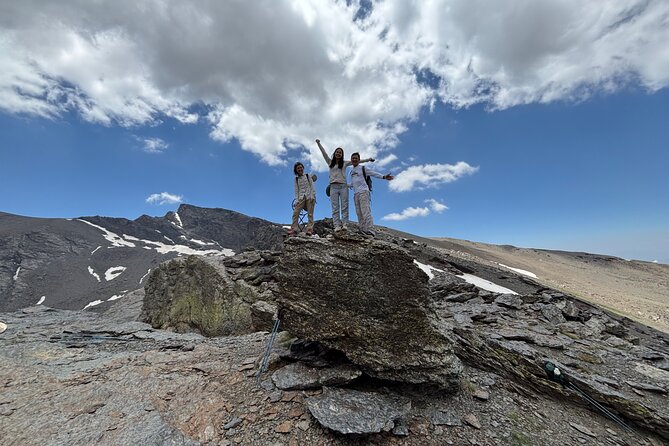
You don’t strictly need hiking shoes. Trainers are listed as okay, and the route includes support like trekking poles. That said, the terrain can be uneven and rocky, and loose rock can get slippery, especially when weather turns.
Here’s what I would do in your shoes. Wear something with reliable traction and ankle stability if you have it. If you’re set on sneakers, choose ones that are grippy and not worn thin, and take extra care on descents.
Hiking poles are provided for this tour, and they genuinely help on uneven ground. If you’ve ever felt wobbly on rocky trails, poles are a simple upgrade to stability. Also plan layers, since conditions can change at elevation even when Granada feels hot.
Clothing and Gear: What’s Included, What You Must Bring
Included gear includes hiking poles, and you can also be provided warm clothes if needed. That’s a big help if you pack for warm city weather. Still, your comfort depends on what you bring, so plan to dress in active layers.
From what’s been experienced on the trail, gloves and a light wind layer are useful. Even when it’s fine at pickup, higher up you can run into wind and cooler air, and groups have benefited from extra warmth on the spot.
For your personal carry, plan your own food and drinks. Food and drinks are not included unless specified. I strongly recommend bringing lunch plus snacks, and enough water for a full day. Many hikers aim for around 1.5 to 2 liters, then add a small snack for the top and a few bites earlier.
Wildlife Spotting Without the Crowds
One of the underrated pleasures of this route is how it can feel quiet and remote. The combination of steep climbs, higher elevation, and a glacier valley setting means you’re not always sharing the trail with everyone in town.
That quiet helps wildlife spotting, especially for large birds and mountain mammals that are more likely to appear when the trail isn’t packed. If you want to maximize your chances, walk a bit slower during open sections. Watch for movement against rocky slopes, and listen for distant calls before you move closer.
Also, keep your expectations flexible. You’re in the Sierra Nevada Biosphere Reserve, so the natural rhythm matters. Even without goats or eagles, the plants and geology give you plenty to notice.
Guide Style, UIMLA Credentials, and the Dog Advantage
This hike is led by a UIMLA mountain guide, plus assistance and liability insurance. That matters because you’re climbing high and walking on rocky terrain where weather and visibility can change.
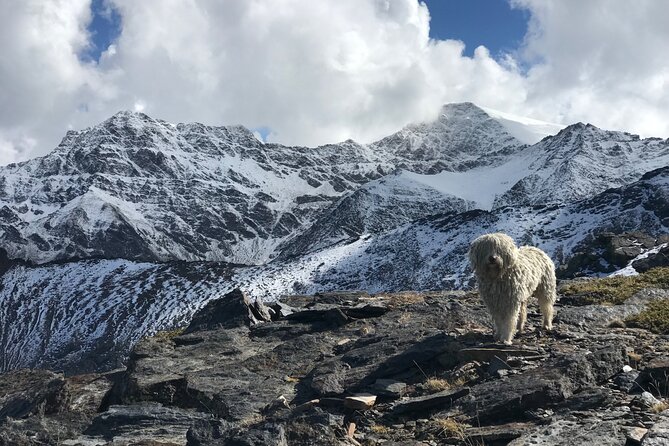
A lot of the positive energy around the day comes from guide behavior: calm pacing, clear communication, and staying aware of safety. In particular, many people speak highly of guide Jaime, and they also mention his dog, Kai, as part of the experience.
English is offered, and this helps if you want easy explanations of terrain and local ecology. In some cases, guides also use Spanish alongside English, which can be a nice bonus if you’re practicing the language.
UNESCO Sierra Nevada: Why This Reserve Stop Feels More Than Scenic
Sierra Nevada is not just mountains, it’s a protected biosphere reserve. That UNESCO context is useful because it changes how you look at small details like plant types and rocky features shaped by ice.
When you connect the dots, the day becomes more than a workout. You’re learning how glaciers excavated the rocks over thousands of years, and you’re walking through a habitat where certain species only exist here. That turns a viewpoint day into a place day.
Price and Value for a Small-Group Full-Day Hike
At $71.35 per person, the price lands in the “good value if you want real guiding” category. You’re paying for private vehicle transport, an UIMLA guide, insurance, hiking poles, and potentially warm clothing.
The big value driver is the full-day structure. You get driven out from Granada, hike a high-altitude route, then return the same way. If you tried to DIY this, you would spend time and money sorting transport and a safe plan, and you might not have local knowledge to make stops meaningful.
The one cost to plan for is your own food and drinks. Because those aren’t included, you should budget a simple picnic kit: lunch, snacks, and plenty of water.
Also, the tour is capped at 8 travelers, which affects how much attention you get on a steep rocky climb. At this group size, you’re less likely to be lost in the shuffle.
Who Should Do This Sierra Nevada Hike From Granada
This is a great fit if you want a full-day active break from the city, but you still want structure and support. It works well for people who exercise regularly, like running, cycling, swimming, or tennis, because the hike is more about sustained effort than technical climbing.
You’ll also enjoy it if you like nature with context, not just a generic walk. The glacial valley setting, possible wildlife sightings, and the Veleta fortifications add variety to the day.
If you’re brand new to hiking, this can still be doable, but you should be honest about your fitness. Start with a slower pace mindset, wear stable shoes, and pack your energy like you would for a long cardio session.
Should You Book This Tajos del Campanario Day Hike?
Book it if you want a guided Granada day hike that feels like a real Sierra Nevada outing, not a quick sightseeing loop. The combination of small group size, UIMLA guidance, poles, and a high-altitude route through the San Juan glacier valley makes it a strong choice for people who like effort with payoff.
Skip or reconsider if you hate steep climbs, aren’t comfortable with altitude, or you can’t carry your own lunch and water. Weather matters here, too. The experience requires good conditions, and if it gets canceled for poor weather, you should expect a reschedule offer or a full refund.
If your goal is views, wildlife chances, and a guided climb with smart pacing, this is the kind of day you’ll remember.
FAQ
Where is the meeting point and what time does the hike start?
You meet at Plaza de Mariana Pineda in central Granada. The start time is 9:00 am, and the tour ends back at the same meeting point.
How long is this tour, including travel?
It runs for about 7 hours in total, with full-day hiking and time for the drive up and back from Granada.
How difficult is the hike?
It’s for people with moderate physical fitness. You start around 2,500 meters and do significant climbing, so plan for uphill effort and thinner air.
How big is the group?
This is a small group tour with a maximum of 8 travelers.
Do I need hiking boots?
Sneakers or trainers are listed as OK. That said, the terrain can be rocky and slippery at times, so you may be more comfortable in footwear with good traction and support.
Are hiking poles included?
Yes. Hiking poles are included in the tour.
Is food or water included?
Food and drinks are not included unless specified. You’ll need to bring your own lunch, snacks, and enough water for a full day.
What can I expect to see along the way?
Expect glacial valley scenery like water and lakes, plus wildflowers. You might also see mountain goats, eagles, migratory birds, and endemic plants, with major viewpoints at Posiciones del Veleta and Tajos del Campanario.
Is the guide available in English?
The tour is offered in English.
What happens if weather is poor?
This experience requires good weather. If it’s canceled due to poor conditions, you’ll be offered a different date or a full refund.
More Tour Reviews in Granada
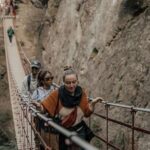
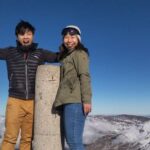
Longer Days on the Sierra Paths
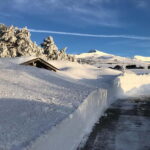
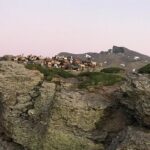
Further Up the Sierra Nevada
Just added from around Granada

Sierra Nevada Mountain Tours, side by side.
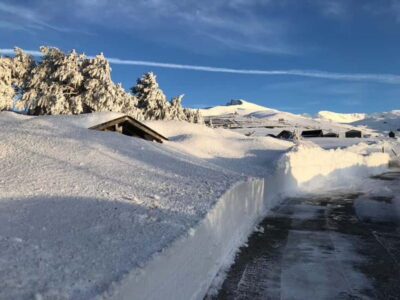 ★ 4.9Sierra Nevada Safari Tour to 2500 m with a DrinkFrom $851,466 reviews
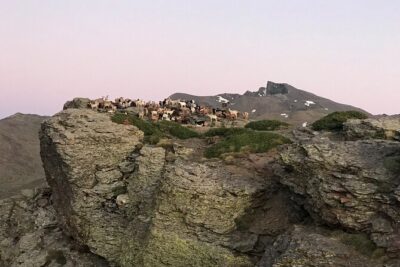 ★ 5.0Sierra Nevada Safari tour up to 2500 meters highFrom $102673 reviews
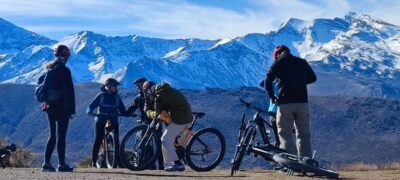 ★ 5.0Sierra Nevada Small Group E-Bike TourFrom $117282 reviews
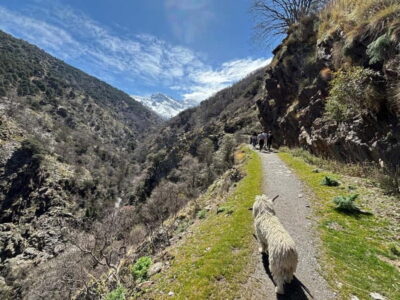 ★ 4.9High Sierra Nevada Hiking Tour to 3000 MetersFrom $50223 reviews
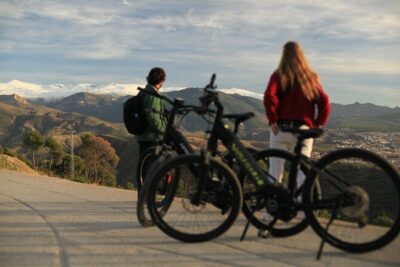 ★ 5.0Alhambra and Sierra Nevada Sunset Views by E-BikeFrom $54107 reviews
Alhambra and Sierra Nevada Sunset Views by E-BikeFrom $5391 reviews
★ 5.0Alhambra and Sierra Nevada Sunset Views by E-BikeFrom $54107 reviews
Alhambra and Sierra Nevada Sunset Views by E-BikeFrom $5391 reviews
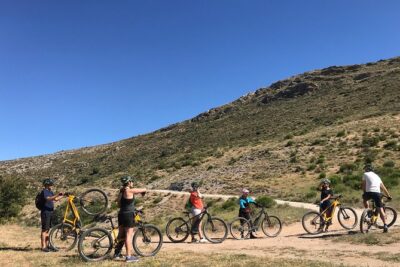 ★ 5.0Sierra Nevada Ebike Tour Small GroupFrom $12389 reviews
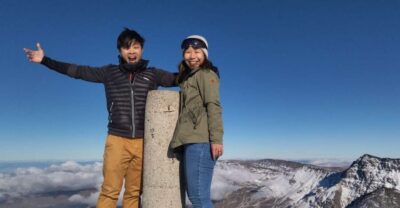 ★ 4.9Sierra Nevada Veleta Peak Trek with LunchFrom $11260 reviews
Other Granada pages with this tour