
REVIEW · HISTORICAL TOURS
Water paths. Private adventure and history tour
Granada’s water has stories underfoot. This 3-hour private adventure ties together history and nature as you follow real water paths near the Alhambra, from small artificial rivers to healing springs and forest ditches. It’s designed for a small group so the guide can keep the pace friendly and the explanations grounded in what you’re seeing.
What I like most is the way the route turns everyday water features into a clear picture of how Granada worked. You spend time at fountains, springs, and channels and learn how those systems supported daily life, including the water story connected to the Alhambra. I also appreciate that the tone feels practical and local, with professional historians like Jose and careful logistics from guides such as Mikael, based on past experiences.
One consideration: this is not an easy flat stroll. You cross sloping slopes and walk through a network of roads and ditches, so you’ll want moderate fitness, good shoes, and realistic expectations about walking on uneven ground.
Key highlights (what makes this tour work)
- Water paths you can actually see, including artificial rivers and natural springs.
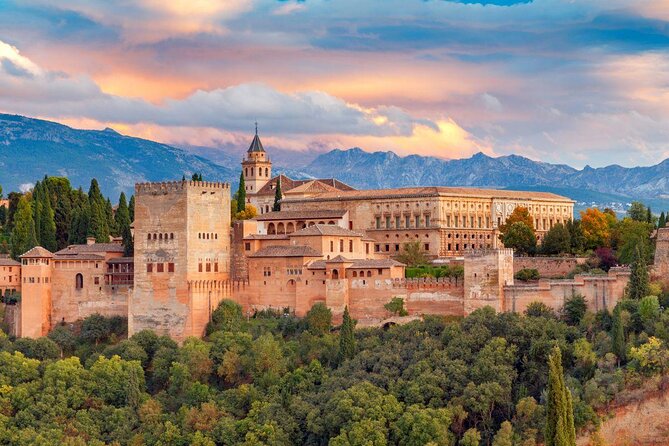
- Alhambra water supply at the foot of the wall, explained in plain terms.
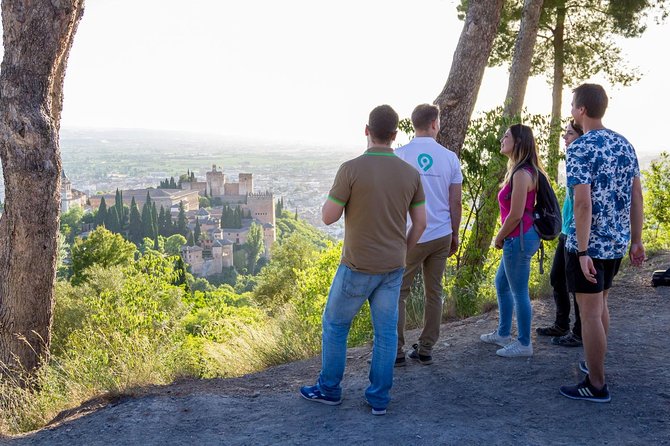
- Forest-to-city transition at Cerro del Sol, with a labyrinth of roads and ditches.
- Small-group feel that helps you ask questions and connect with the surroundings.
- Healing-water stop at Fuente del Avellano, plus shade that helps year-round comfort.
- Good-fit for active history lovers, not for people needing full accessibility support.
The same ground with a private guide
- Alhambra Private/Small Group Tour & Nasrid Palaces Skip the Line★ 4.5 · 921 reviews
- Alhambra with Nazaries Palaces Private Tour★ 5.0 · 605 reviews
- Granada: Cathedral and Royal Chapel Private tour with ticket★ 4.8 · 498 reviews
- Private Alhambra Highlights Tour Including the Nasrid Palaces★ 5.0 · 423 reviews
Why Granada’s water story feels different on foot
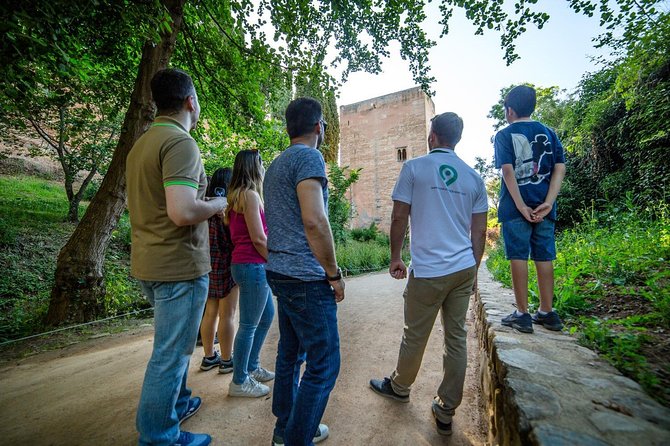
Granada is famous for the Alhambra, but water is what makes the city livable, maintainable, and myth-worthy. This tour leans into that idea from the start, using paths along natural and artificial waterways as your “timeline.” You’re not just looking at pretty spots, you’re learning how water was captured, routed, and used.
You’ll move through public fountains and pillars, plus forest areas next to the Alhambra. That mix matters. In a lot of tours, history stays trapped inside buildings. Here, the history is outside, stamped into channels, slopes, and spring-fed sources.
The route is also built for a healthy pace. You’re active for about three hours, but it’s not presented as a hardcore hike. Still, it demands attention underfoot because the terrain includes sloping ground and ditch crossings.
Private small-group setup, and who guides it well
This is a private tour, meaning only your group participates. That changes the experience. With fewer people, your guide can slow down when you want extra context, and you don’t feel rushed through stops.
From what I’ve seen in real-world feedback, the guides bring two strong skills:
- History with clarity, where you understand not just what something was, but what it was for.
- Real-time logistics and timing, which keeps the walk smooth. Past tour notes mention punctuality and professionalism, and even highlight guides such as Mikael for keeping things running perfectly.
Jose is specifically praised for being a great historian and making the mix of natural beauty and city context feel effortless. If you like the idea of learning Granada as a system, not just as scenery, this kind of guiding style is a big part of the value.
Cuesta de los Chinos: legends and an artificial river
You start at Fuente del Paseo de los Tristes, right in the Albaicín area (18010 Granada). The meeting point matters because it places you in the city’s hillside rhythm from the beginning.
Your first stop is Cuesta de los Chinos, where you’re guided along a small artificial river. This is a smart opener. It gets you thinking about water not as a background element, but as a designed feature that connects places and stories.
You’ll also hear granainas legends tied to the area. That’s a nice contrast to the more technical parts later. Legends can sound fluffy, but here they work like a local “why people cared” layer. You start by learning that water is more than utility, it’s part of local identity.
Practical note: this first segment is only about 20 minutes, so if you like time to settle in, this start is friendly. You’re not expected to sprint into the deeper water-and-ditch sections.
Alhambra at the waterline: how the wall area was supplied
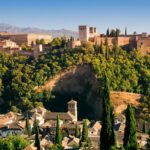
Next, you edge along the eastern part of the Alhambra at the foot of its wall. This is one of the most compelling parts because it shifts your attention from gardens and palaces to systems.
Instead of focusing on grand rooms, the guide explains how the Alhambra was supplied with water and what it was used for. Even if you already know the general Alhambra story, seeing the water logic from this vantage point helps it click. You begin to connect reservoirs, channels, and distribution to everyday function.
This stop lasts around 20 minutes. That’s long enough to understand the idea, without turning it into a lecture. And the fact that the route skirts the Alhambra area rather than requiring entry changes the feel: it’s more about the landscape relationship than about ticket lines.
If you’re the type who likes to understand how places actually ran, this is where you’ll feel the “aha” energy.
Deeper into the Moorish and Christian city
La Silla del Moro viewpoint: space planning in medieval times
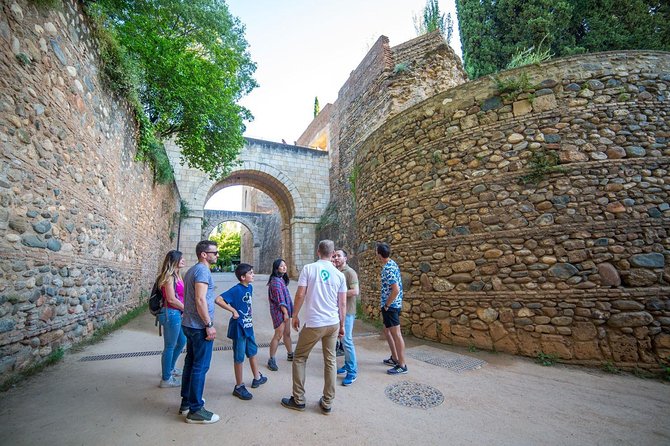
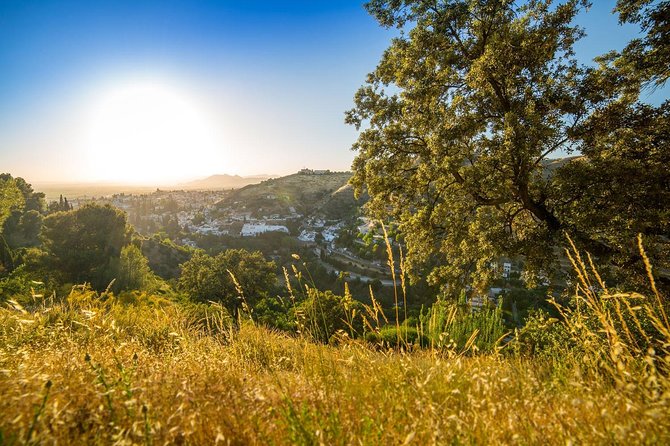
Then you reach La Silla del Moro, where you climb to the top. This is the tour’s “pause and look” moment, lasting about 10 minutes.
You won’t enter any archaeological ruins. Instead, you’re taught to read the organization of space in medieval times and the infrastructure behind it. That choice is practical. It keeps the focus on how people arranged access, movement, and water-related needs in a hillside setting.
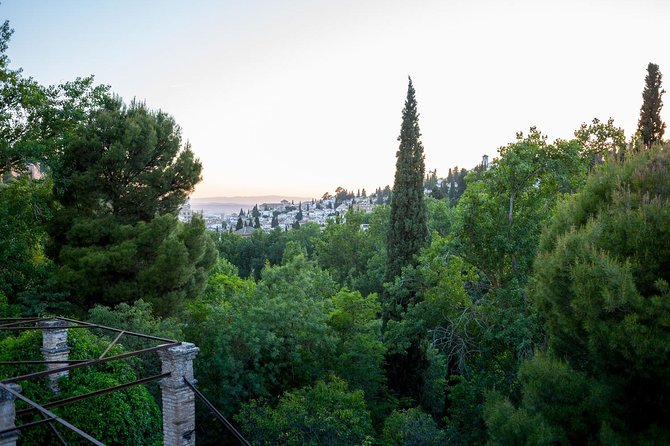
And you get an obvious payoff: the viewpoint. Even with limited time, the wide sightlines make the route feel larger than the short walk would suggest. The landscape helps you understand why water systems needed planning, not just engineering.
If you’re worried about pacing, the short duration at this stop is reassuring. You get height and context without spending a long time standing around.
Cerro del Sol: the forest network and ditch-labyrinth feeling
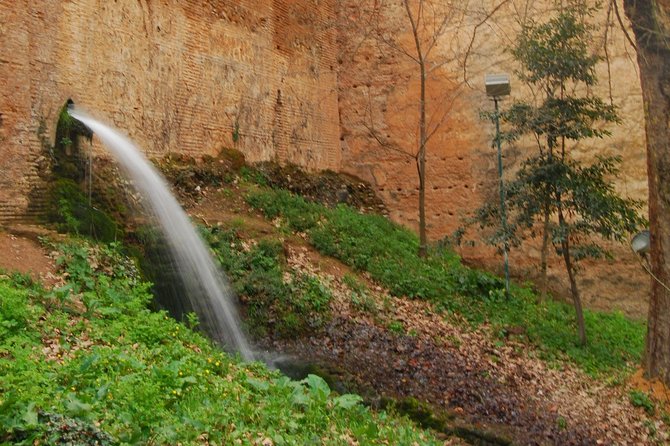
Now comes the highlight of the adventure: Cerro del Sol. This is where the tour becomes physical in a meaningful way, taking about 30 minutes.
You enter a labyrinth of roads and ditches, then step into a lush forest that works like a bridge between countryside and city. This stop is the heart of why “water paths” is not a marketing phrase. Here, you see how water-related infrastructure fits into everyday movement and how people used the land’s natural shape.
What I like about this part is how it changes your mental map. Before Cerro del Sol, you’re following a line of features. After it, you understand the pattern. The forest is not just scenery, it’s part of the water system story.
Tradeoff: this is also the part where footwear matters most. The terrain includes sloping slopes and rougher ground underfoot. If you’re prone to slipping or you hate uneven walking, you’ll feel it here. Comfortable shoes are not optional.
Fuente del Avellano: healing waters and cool shade
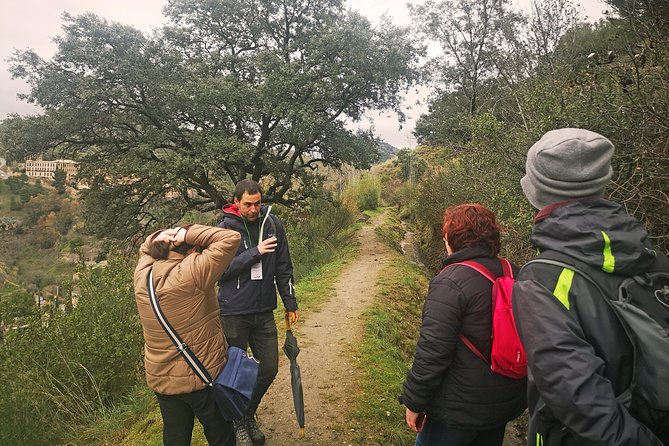
After the active forest segment, the tour calms down at Fuente del Avellano, described as a mythical source of pure and healing waters. You spend about 10 minutes here.
This is one of those stops that works on two levels. First, it’s a natural place with fresh shade you can enjoy all year, which helps make the overall 3-hour walk more comfortable. Second, it connects the earlier “how water was managed” lesson to a more human idea, the meaning of a clean source in daily life.
You’ll also accompany the ditch of Romayla. That’s an important detail because it brings you back to the infrastructure you’ve been learning about. You’re not only chasing pretty sources, you’re learning the route water takes after the spring.
If you love the idea of ending with something that feels restorative, this stop delivers. It’s also a good final “memory anchor,” because the combination of water, shade, and local storytelling makes it easier to remember the rest of the route.
Price and value: what you’re really paying for at $109.90
The price is $109.90 per person, and it’s typically booked about 17 days in advance. At first glance, it might feel like a splurge compared to casual walking tours. The value becomes clearer when you look at what you get.
You’re paying for:
- A private, small-group guided experience, not a mass tour.
- Specialized guidance focused on water systems and the historical uses of water in Granada.
- A route that mixes multiple types of stops, fountains and springs plus viewpoints and forest paths.
- Time at major context points like the Alhambra wall area, without needing to structure your day around ticket entry.
In other words, you’re not just buying “a walk,” you’re buying interpretation. If you enjoy understanding how cities work, and you like moving at a guided pace through spots you might otherwise miss, the price starts to make sense.
If you want a more casual, do-it-yourself stroll, this may feel too structured. But if you want the city’s water logic explained while you walk the paths, it’s a strong value.
What the timing feels like on the ground (6:00 pm start)
The tour starts at 6:00 pm and runs about 3 hours. That evening timing can be a sweet spot in Granada. You’ll likely get cooler walking conditions than midday, and the light can make the hillside views more forgiving.
You also return to the same Fuente del Paseo de los Tristes meeting point at the end. Having one clean start and finish keeps the day simple.
Because some stops are short and others like Cerro del Sol take longer, the pace feels intentional. You don’t spend the whole tour standing in one place. You move, learn, and then move again.
Who this is best for, and who should skip it
This tour fits best if you:
- Like active walking with meaningful explanations.
- Want to understand Granada beyond the obvious tourist highlights.
- Enjoy nature and history as a single story, not separate categories.
- Are happy to cover uneven ground for about three hours.
It’s not recommended if you:
- Need full accessibility support, since the route is not suitable for reduced mobility.
- Rely on accommodations for hearing or visual impairment, since it’s not suitable for those needs.
- Are traveling with kids under 7, since the route isn’t recommended for younger children.
- Prefer flat, easy walking, since you cross sloping slopes and pass through ditches and labyrinth-like paths.
If you’re in that “I can walk steadily, I just want comfort and good shoes” range, you’re likely a great match.
Tips to get the most from the water paths
To enjoy this tour without friction, I’d plan like this:
- Wear comfortable shoes with grip. The forest and ditch sections are where you’ll feel it.
- Bring water, especially in warmer seasons. The route is outdoors for the full 3 hours.
- Wear layers if evenings feel cool. You’ll be in shaded forest parts and more open viewpoints.
- Come ready to look at small features. The “real” sights are the channels, fountains, and how everything connects.
Also, if you’re the kind of person who asks questions, this format rewards it. With a small group and a specialized guide, your curiosities can fit into the walk.
Should you book Water paths. Private adventure and history tour?
If you’re curious about how Granada actually works, book it. This tour gives you a guided way to read the city as a water system, with outdoor stops that feel authentic rather than staged. The Alhambra water-supply angle, the forest-to-city walk at Cerro del Sol, and the Fuente del Avellano moment are a strong trio for anyone who likes history that you can see.
Skip it if your priority is a relaxed, flat stroll, or if you need accessibility accommodations not supported by the route. Also, be honest about moderate fitness needs. If you can handle uneven slopes and ditch areas, you’ll likely find the experience both informative and genuinely fun.
FAQ
What is the duration of the tour?
The tour lasts about 3 hours.
Where does the tour start?
The meeting point is Fuente del Paseo de los Tristes in the Albaicín area of Granada (18010 Granada, Spain).
What time does it start?
It starts at 6:00 pm.
Is this a private tour?
Yes. It’s a private tour/activity, and only your group will participate.
Do I need tickets for the sights on the route?
The tour information lists admission ticket free for the stops mentioned, so you likely won’t need separate paid entry tickets for those specific locations.
Is the route suitable for people with reduced mobility?
No. The route is not suitable for people with reduced mobility.
What fitness level do I need?
You should have a moderate physical fitness level. The tour includes sloping slopes and you’ll be walking through roads and ditches.
What should I wear?
Wear comfortable shoes, since the walk includes uneven ground and slopes. The tour does not mention any special gear beyond that.
What happens if weather is bad?
The tour requires good weather. If it’s canceled due to poor weather, you’ll be offered a different date or a full refund.
Granada, Privately

More Tours in Granada

More Tour Reviews in Granada
Just added from around Granada


Historical Tours, side by side.
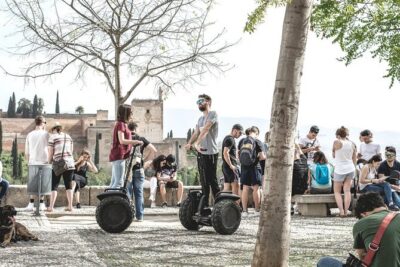 ★ 5.0Segway Your Way Through Granada’s History: The Ultimate RideFrom $59334 reviews
 ★ 5.0Albayzín y Sacromonte, Unesco Heritage NeighborhoodsFrom $21250 reviews
 ★ 4.7Historic Center and Lower Albaicin Walking TourFrom $16136 reviews
 ★ 5.03-hour Historical Tour by SegwayFrom $83104 reviews
 ★ 5.0Historical City Center Guided Segway TourFrom $8157 reviews
 ★ 5.0Tapas&Tours with Leo – Tasting Culture and HistoryFrom $4135 reviews
 ★ 4.5Private Jewish History TourFrom $31232 reviews
 ★ 4.4Royal Chapel and Historical Center Walking TourFrom $3121 reviews
Other Granada pages with this tour