
REVIEW · ALBAICíN OLD QUARTER TOURS
Granada: Historic Center and Lower Albaicin Walking Tour
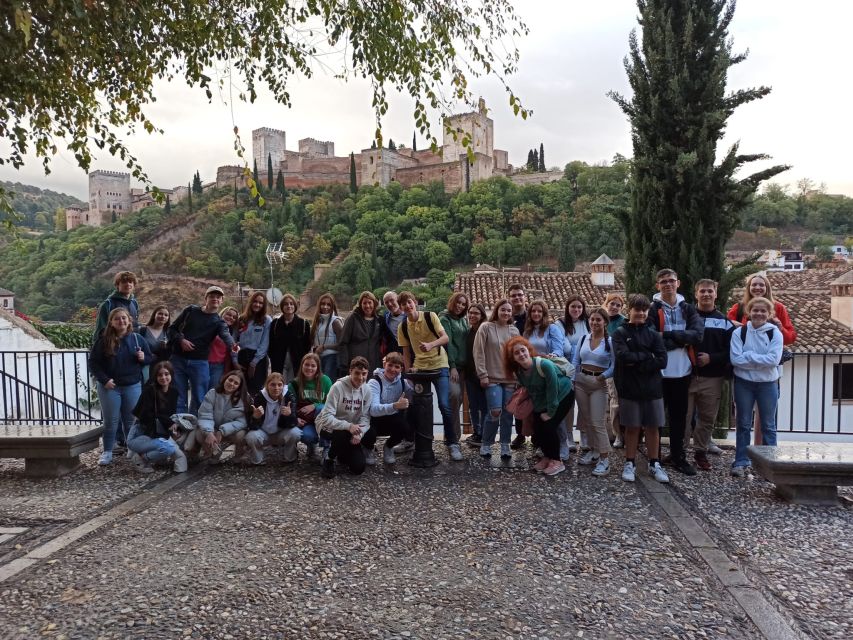
Albaicín views hit fast. This 2.5-hour walking tour is a smart way to connect the city’s Alhambra viewpoint with Granada’s Islamic and Christian storylines as you move through iconic central spots. I like how it hits both the monuments in the historic center and the atmospheric lanes of Lower Albaicín, all with a live guide who keeps the details moving. I also love the photo stop looking toward the Alhambra, because it feels like a payoff you earn by walking there.
One possible drawback: it is not suitable for people with mobility impairments, and the Albaicín section can be tough if your knees or stamina are limited. Several guests noted they needed to slow down or take breaks on the walk up into the neighborhood.
Key highlights at a glance
- Alhambra photo viewpoint from Lower Albaicín, timed for great sightlines
- Historic center stops like the Alcaicería, Plaza Bib Rambla, and the Cathedral area
- Islamic-to-Christian transformation explained, from Moorish heritage to the Reconquista
- Classic landmarks on one walking loop, including Corral del Carbón and the Royal Chancillería
- Small-group energy on some dates, with guides praised for organization and answering questions
- Flamenco context may pop up, depending on your guide and the moment (one guest loved it)
Other routes up through the Albaicin
- Granada: Albaicín and Sacromonte Guided Sunset Walking Tour★ 4.9 · 2,962 reviews
- Granada: Flamenco Show in Albaycin – Jardines de Zoraya★ 4.7 · 1,234 reviews
- Albaicin & Sacramonte Electric Bike Tour in Granada★ 5.0 · 1,044 reviews
- Granada: Albaicin and Sacromonte E-Bike Tour★ 4.9 · 852 reviews
Meeting at Isabel La Católica and getting oriented in the old core
You meet your guide in the center of Granada, right in front of the monument to Isabel La Católica and Cristóbal Colón. That starting point matters because you’re launched immediately into the city’s main pedestrian zone, not out on the edges where you’d have to work to connect the dots.
From there, the tour builds in an easy rhythm: walk, stop, look around, then learn how the street or building got its role. This is the kind of format that helps you get your bearings fast, especially if Granada is new to you.
The tour runs with a live guide in Spanish or English, and the vibe is practical. In the best moments, your guide turns what you see into a clear timeline, so you’re not just collecting names of places.
Historic Granada’s heart: Corral del Carbón and the Alcaicería
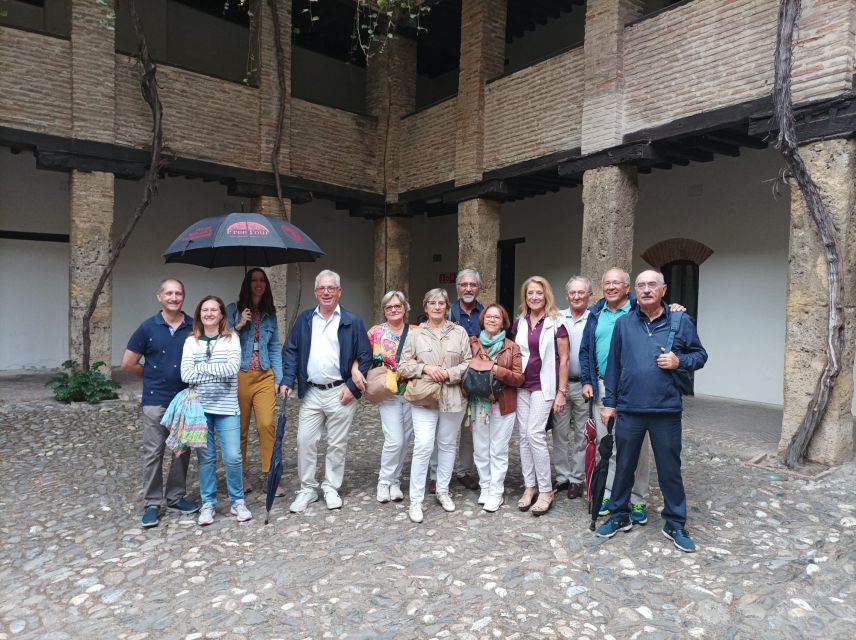
Early on, you’ll hit some of the most memorable “Granada in miniature” sites. One standout is the Corral del Carbón, a name you’ll hear again and again because it’s tied to Granada’s trading past. Even if the building itself is small compared to the bigger monuments, your guide’s context helps you notice details you’d otherwise miss.
Next, you’ll spend time around the Alcaicería. This is one of those stops that changes how you read the city. When your guide connects it to the way Granada worked economically under different eras, the tight streets feel less random and more purposeful.
It’s not just looking at pretty architecture. It’s understanding why certain areas existed, and how the city’s Islamic heritage shaped everyday life before later Christian rule reshaped institutions and monuments.
Plaza Bib Rambla: the Giants Fountain and Granada’s public square energy
One of the tour’s most “pause-and-breathe” moments comes at Plaza Bib Rambla. The plaza is a natural stage for city life, and your guide uses that openness to point out what you’re likely to see from multiple angles.
You’ll also see the Giants Fountain, which is a nice anchor for photos because the plaza gives you space to frame it without constantly weaving through crowds. More importantly, this stop helps connect the historic center you just walked through to the deeper layers you’re about to enter.
Plazas in old Spanish cities can feel like background scenery. Here, your guide uses it to explain how Granada’s multicultural story played out in public spaces, not only in grand monuments.
Church, school, and royal power: Saint Ana, the Madraza, and the Cathedral
After the trade streets and plaza scenes, the tour turns toward the big institutions. You’ll see the Church of Saint Ana, then continue toward the Madraza, and later into the Cathedral area.
What I like about this sequence is that it shows how Granada’s learning, worship, and governance overlapped across time. A building like the Madraza is not just “pretty stone.” With your guide’s explanation, you start noticing how education and religion were intertwined, especially during the Islamic period.
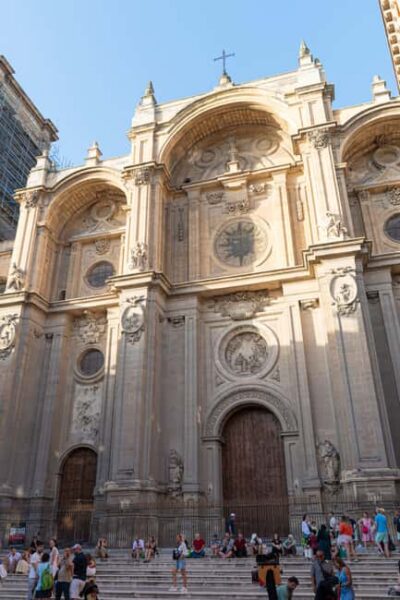
Then the tour shifts to the Cathedral, and the mood changes. The religious architecture and royal framing of the space helps you understand what happened after the Reconquista concluded in Granada in 1492. You’re not asked to memorize dates, but you are given a clear story so the changes you see make sense.
Other walks through the lower streets

Royal High Court and Chancillería: justice made visible in stone
From there, you’ll walk through areas associated with civic and legal authority, including the Royal High Court, the Royal Chancillería, and the Royal Jail.
This part can be surprisingly fun if you like “how the system worked” questions. Your guide points out how power was built into the city’s layout, so you start seeing Granada as an organized machine, not just a scenic backdrop.
If you’re the type who likes asking questions, this is where your guide usually shines. Multiple guides named in guest feedback, including Jaime and Emilio, were praised for answering lots of follow-ups patiently, even when the group had lots of curiosity about architecture and local life.
Turning toward Lower Albaicín: Moorish lanes, tight corners, and big views
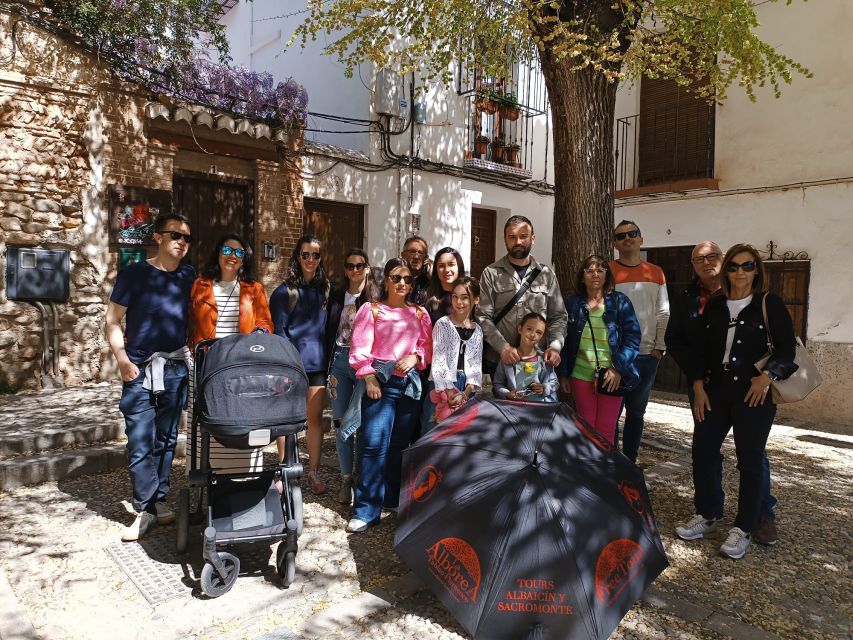
Now the pace and feel change. You enter the lower part of the Albaicín, known for its narrow, charming streets that bring you back to a Moorish mood. It’s not a museum walk. It’s streets, angles, and small surprises where the city feels lived-in.
This is also the part to plan for. The tour is not suitable for mobility impairments, and real-world reviews mention that some people had trouble keeping up on the walk up into Albaicín due to health issues like knee problems and angina. If you know you’ll need frequent rests, bring a more patient mindset, or choose a different plan.
On the plus side, several guides were specifically praised for comfort and pause points on busy days. If your group includes slower walkers, good guides will often adjust the rhythm, so you don’t feel rushed or left behind.
The Alhambra viewpoint stop: why Lower Albaicín delivers
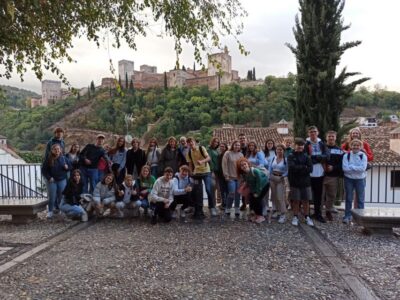
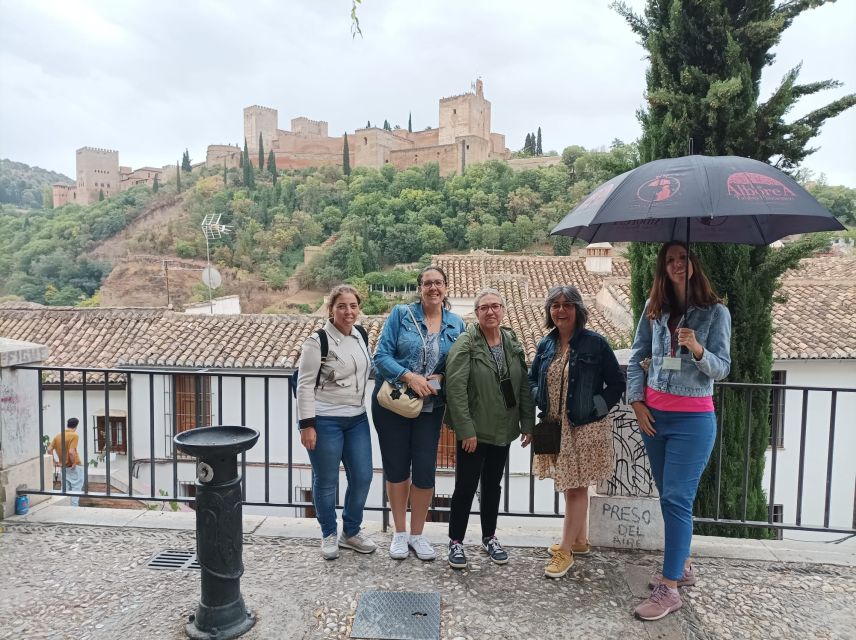
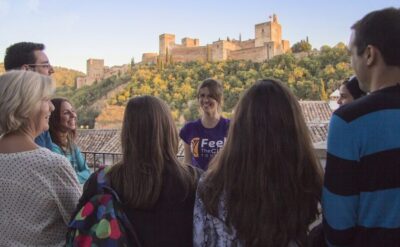
The tour saves one of the best rewards for a scenic stop: a viewpoint of the Alhambra from Lower Albaicín. This is the moment most people picture when they think of Granada, and it lands well because you’ve already been learning how the city’s layout connects to what you see.
For photos, you’ll want to keep your camera ready before you reach the exact spot. Views can shift fast depending on where you stand, and good guides help you position yourself for the best angles.
Even if you plan to visit the Alhambra later, this viewpoint helps you understand scale. From here, the fortress and palace complex look like a crown placed over the city, not like an isolated landmark.
How the 2.5-hour pace works (and why it’s a great first day move)
Two and a half hours is long enough to feel meaningful, but short enough that you can still keep your afternoon open. That sweet spot is why I think this tour works especially well early in your visit.
In one piece of feedback, a guide-led tour was recommended at the start of your Granada trip because it helps you understand how the neighborhoods fit together and see a lot in a short space of time. I agree with that logic. You’ll remember street names and building clusters later, which makes your self-guided exploring easier.
That said, because it is a walking tour, the pace can feel quick if you stop to read every plaque. If you’re the slow-and-steady type, tell your guide you want slightly more time at photo stops. Guides often have built-in timing, but they can still help you prioritize.
Price and value: what $16 buys in guided walking time
At $16 per person for a 2.5-hour guided route, the value is strong because you’re paying for three things at once:
1) a guide to explain what you’re seeing, not just point at it
2) a route that links major central monuments with a neighborhood view
3) an Alhambra viewpoint that can be hard to find on your own without a plan
This isn’t a “sit and watch” tour. It’s an active orientation walk, and the low price helps it feel like a decision rather than a big commitment. If you want a guided framework before you spread out through Granada on your own, it’s a good bargain.
You’ll also find a practical booking setup with options like reserve now, pay later and free cancellation up to 24 hours in advance. That flexibility matters in Andalusia, where plans can shift with heat, crowds, or train schedules.
Guides matter: what the best ones do for you
Even though the tour is the same on paper, the experience depends on the guide. The strongest praise in guest feedback clusters around a few repeat themes: guides who keep stories lively, guides who handle questions well, and guides who organize stop points and breaks thoughtfully.
Names that came up include Pablo, Jaime, Anna, Emilio, Irene, Rocio, and Elene. Many guests credited these guides with making the history easy to follow, while also adding extra context on places you can revisit later.
One small detail that made a difference for at least one guest was a calm interlude about flamenco. That’s not something you should bank on, but it’s a good reminder that strong guides often layer in cultural context when the moment fits.
Practical tips before you go
Bring comfortable shoes. Granada’s historic streets are pretty, and they’re also the kind of surfaces where you’ll appreciate real grip. If you’re sensitive to walking time, plan to pace yourself through Albaicín, not only at the viewpoint stop.
If you’re going with family members or anyone with health concerns, be ready for the fact that some people needed breaks while walking up into Albaicín. You’ll have a better time if you treat it like a walking tour with pauses, not a sprint through landmarks.
Finally, come with a short list of interests. If you care about Islamic heritage and how it shows up in buildings and street life, say so. Guides respond well to direction, and you’ll get better answers in the moment.
Should you book this Granada Historic Center and Lower Albaicín walking tour?
I’d book it if this is your first or second day in Granada and you want a guided way to connect the dots between the historic center and Albaicín, while ending with an Alhambra viewpoint. It’s also a smart choice if you like learning through walking, not through standing in one place.
Skip it if mobility limitations make uphill or uneven, narrow streets hard for you. It’s also less ideal if you need very clear audio every second, since one review noted that English can be harder to catch when the accent is strong, even if grammar is good.
If you’re comfortable walking 2.5 hours and you want a high-value, low-cost orientation with real city texture, this tour is a solid pick.
More Tour Reviews in Granada




Down in the Lower Streets





Keep Climbing the Albaicin





Just added from around Granada


Albaicín Old Quarter Tours, side by side.
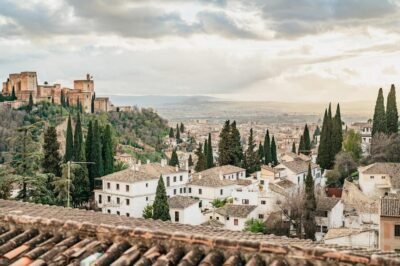 ★ 4.9Albaicín and Sacromonte Guided Sunset Walking TourFrom $172,962 reviews
 ★ 4.7Flamenco Show in Albaycin – Jardines de ZorayaFrom $281,234 reviews
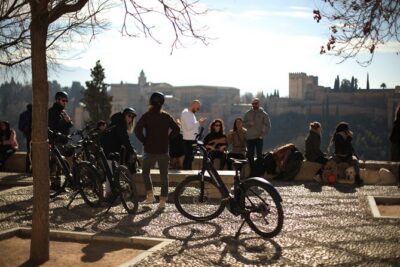 ★ 5.0Albaicin & Sacramonte Electric Bike Tour in GranadaFrom $541,044 reviews
 ★ 4.9Albaicin and Sacromonte E-Bike TourFrom $53852 reviews
 ★ 4.7Albaicín and Sacromonte 2.5-Hour Walking TourFrom $23777 reviews
 ★ 4.5Albaicín and Sacromonte Walking TourFrom $18665 reviews
 ★ 5.0Albaicin and Sacromonte Segway TourFrom $59626 reviews
 ★ 4.5Granada’s Hidden Treasures: Albayzin and Sacromonte Walking TourFrom $30575 reviews
Other Granada pages with this tour