
REVIEW · ALBAICíN OLD QUARTER TOURS
Granada City Center and Albaicin Private Tour
Granada tells its story on foot, with a private walking route that strings together Plaza Nueva, La Madraza, the Royal Chapel, and the Cathedral, then finishes at Mirador Carvajales for Alhambra views. I love the small-group feel and the way guides like Rocio, Nacho, and Daniel use the squares to explain how Granada shifted from Nasri life to the Reconquest. One thing to plan for, some major stops have admission tickets not included, and the time at each building is short.
The pace is about 2 hours 30 minutes, so you get a full arc without wasting the whole day. If you select pickup, the guide meets you where you specify, which makes starting in the center much less stressful. The main consideration is that it is still a walking tour, and one past booking reported an audio problem, so it is smart to test anything that is used to talk.
Key things to know before you go
- A true private tour means only your group, so the route and pace can flex to your questions.
- Carvajales at the end gives you a strong payoff, since you finish with classic views toward the Alhambra.
- Some tickets are on you for the Royal Chapel and the Cathedral, while several other stops are free during the tour.
- Square-to-square storytelling is the method here, from Plaza Nueva to Plaza Bib-Rambla.
- Guide quality matters, and the best experiences come from guides such as Alberto R., Vicente, Gabriela, and Virginia.
Other routes up through the Albaicin
- Granada: Albaicín and Sacromonte Guided Sunset Walking Tour★ 4.9 · 2,962 reviews
- Granada: Flamenco Show in Albaycin – Jardines de Zoraya★ 4.7 · 1,234 reviews
- Albaicin & Sacramonte Electric Bike Tour in Granada★ 5.0 · 1,044 reviews
- Granada: Albaicin and Sacromonte E-Bike Tour★ 4.9 · 852 reviews
Walking a smart loop through Granada’s center and Albaicín
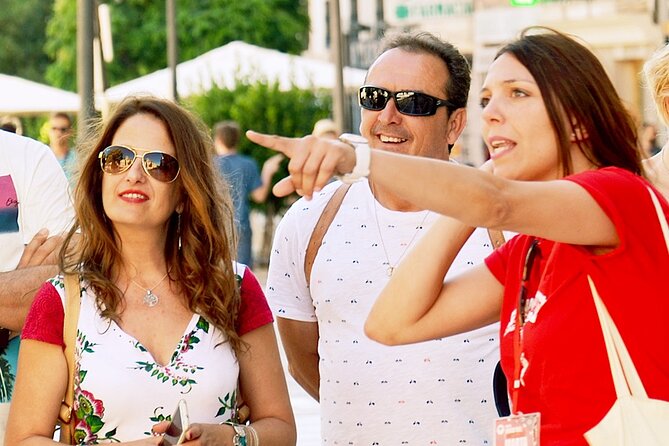
This tour works because it is built for orientation. Granada can feel like a maze at first, and doing it with a guide helps you understand what you are looking at, not just where to stand for photos. You also get a nice mix of public squares, historic inner alleys, and major monuments, all tied together into one continuous flow.
You will spend your time on foot, mostly in the city center, then into the Albaicín area to wrap things up with a viewpoint. The best part is that the route is structured around key places, not random landmarks. That means when you reach the big sights, you already know the background and can follow the story as it unfolds.
If you like asking questions, this private format makes that easy. With a group tour, your question can get swallowed. Here, a guide can pause, explain again, and keep going without the whole line moving past you.
Plaza Nueva to La Madraza: starting in the center, then moving to Nasri Granada
You begin at Plaza Nueva, a solid launch point because it anchors you right in the middle of the action. This is where you can get your bearings fast, and you are able to orient your walk before you start going deeper into older streets.
From there, La Madraza is the next focus. This stop is designed to give context for the Nasri period, so you understand what a place like this meant and why it mattered. Even if you are not a “museum person,” it helps to get the social and cultural angle before you hit the Royal Chapel and Cathedral, which come from a later chapter in Granada’s story.
What I like about this section is how it sets up contrasts. You start with a civic square vibe, then shift to an education and scholarship setting in a way that makes later monuments feel less disconnected. La Madraza also is marked as free during the tour, so you can spend your time without having to juggle extra ticket decisions there.
Royal Chapel and Granada Cathedral: where timing matters more than you think
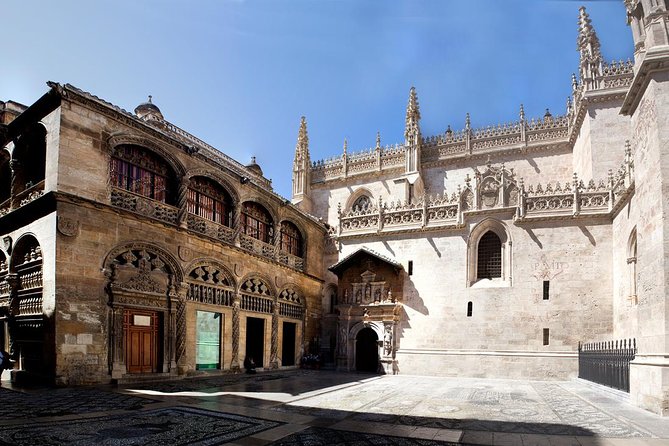
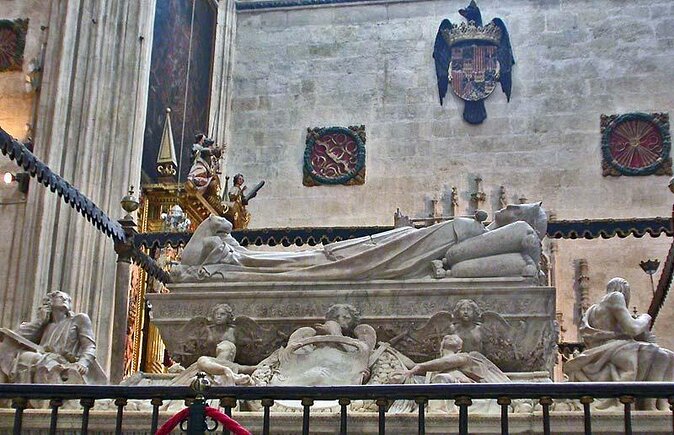
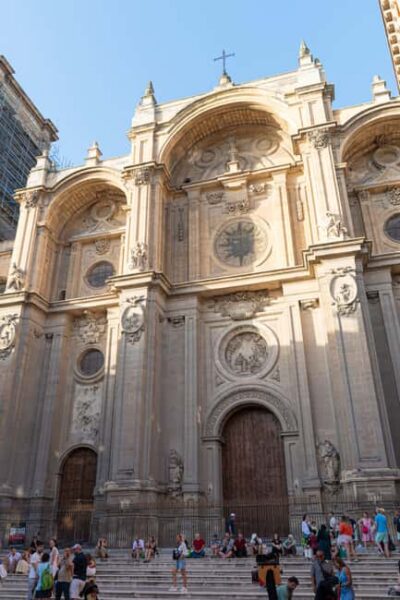
After La Madraza, the tour turns toward the Royal Chapel of Granada and then the Granada Cathedral. These are not just pretty buildings, they represent big turning points in Granada’s history, including the reconquer of the city. The guide’s job here is to connect the symbolism of each site to what changed when power and religion shifted.
Here is the practical part you will want to respect: admission tickets are not included for both the Royal Chapel and the Cathedral, and the time at each stop is relatively brief. That does not make the experience worse, but it does mean you should treat these as “see, understand, and notice” stops rather than long, deep visits.
If you know you want more time inside the buildings, you can still use this tour as your primer. Then you can return later on your own with a plan, once you know what to look for. This matches what some people wanted, more time inside, and it is a fair expectation to have going in.
Corral del Carbón and Alcaicería: the calm surprises in the old quarter
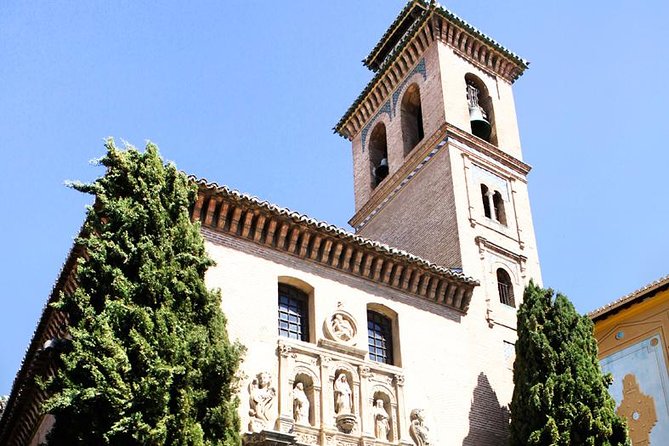
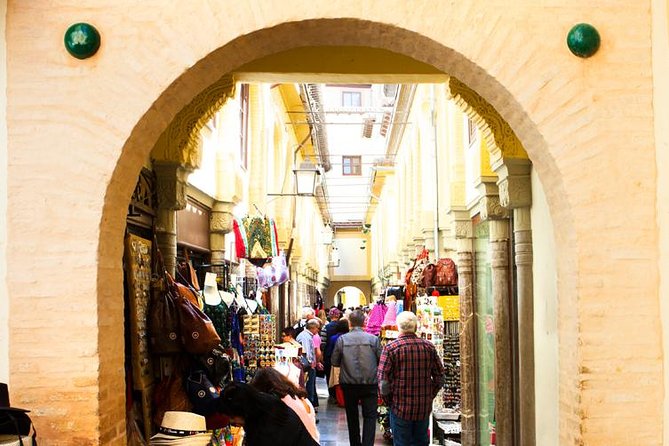
Next comes Corral del Carbon and then Alcaicería. These are the kinds of stops that often get skipped when you rush straight from one “headline monument” to the next. Instead, they reward you with texture.
Corral del Carbón is the kind of place that benefits from a guide’s narration because it is easy to underestimate what you are looking at. A short stop here can still add meaning, especially when the guide connects it to Granada’s commercial and everyday life rather than treating it like just another photo stop.
Then Alcaicería is another win. It is listed as free during the tour, and it fits well between the heavier monument stops. You get a change in pace, and you have time to absorb details at street level. If you like architecture, doorways, and the feel of older urban design, this section is where you will probably slow down even without meaning to.
Other walks through the lower streets
Plaza Bib-Rambla and the Calderería Nueva and San Gregorio stop: streets with context
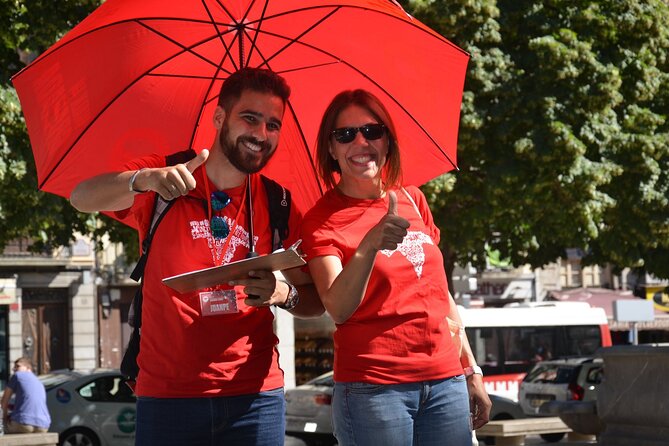
You move from one classic square to another, including Plaza Bib-Rambla. This is a good moment in the walk because it is public, open, and easy to reset your attention. The guide can use a square like this to talk about how people moved through the city and how daily life intersected with the grand story you have been hearing.
The tour also includes a stop called Calderería nueva and San Gregorio. You will get a short break from monuments here and more time to focus on the neighborhood fabric. Even though the exact focus is not spelled out in the basics, the point is clear: it keeps you inside Granada’s lived-in feel rather than bouncing only between major sites.
This part of the route is especially useful if you want photos that look like Granada, not just photos of Granada. A guided stop in the streets often gives you better angles and more meaningful context than wandering aimlessly.
Mirador Carvajales: the payoff view of the Alhambra
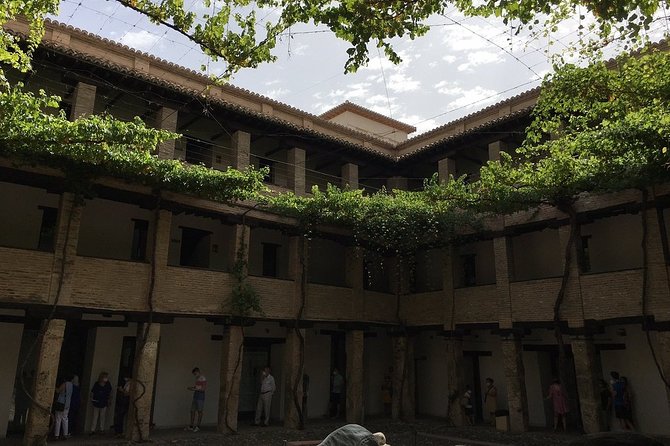
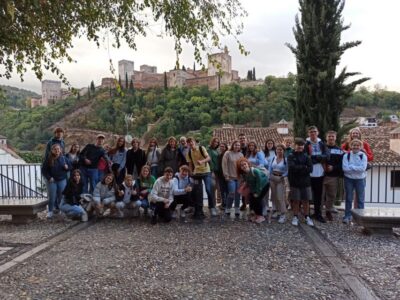
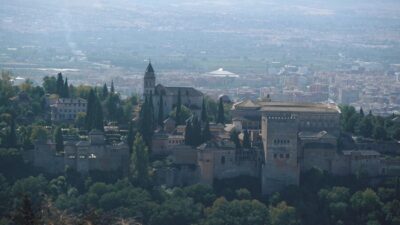
You end at Mirador Placeta de Carvajales. This is a great finish because you are not simply exiting the tour after monuments. You are finishing with a perspective that makes Granada’s layers click into place.
Miradors can be crowded, but finishing here still has a logic. You have already seen enough of the historic core that the view feels earned. When you look toward the Alhambra area, you understand why this part of Granada keeps drawing people in.
It is also a simple way to make your afternoon or morning feel complete. You can close the walk, take photos, and then decide what you want next based on what you connected with most during the tour.
Price and value: is $99.59 per person a good deal?
At $99.59 per person for about 2 hours 30 minutes, this tour is priced for people who want a private guide and a structured route rather than a self-guided wander. Private tours are not cheap anywhere, so the main question is whether you will get enough from the guide’s interpretation to justify the cost.
I think the value makes sense if you fit one of these scenarios:
- You want a clear route through Granada’s key highlights without sorting out ticket timing and logistics yourself.
- Your group includes people who enjoy history and would rather ask questions than read placards.
- You care about viewpoint placement and want the walk to end where the photos actually pay off.
It also helps that some stops are free during the tour, including La Madraza, Corral del Carbón, Alcaicería, Plaza Bib-Rambla, and Mirador Carvajales. The paid-entry stops are the Royal Chapel and Granada Cathedral, so your extra spend is focused rather than scattered everywhere.
Guide styles you can look for, from Daniel to Gabriela
The biggest difference between a good tour and a great one is the person talking. This tour format puts a lot of weight on the guide’s ability to connect places to people and time periods.
The strongest experiences in the provided feedback highlight guides who were:
- patient with questions
- well spoken
- able to personalize the walk
- flexible about stopping to answer you
Names that stood out include Daniel, Rocio, Alberto R., Nacho, Vicente, Gabriela, and Virginia. One person specifically called out that the guide gave dinner recommendations, which tells you the best guides do more than facts, they help you plan how to enjoy Granada after the tour.
If you can, consider sending a note when you book. Ask what day and time works best for you, and ask whether you will have a moment to test audio at the start. That kind of small check can prevent a frustrating experience if any equipment is used.
How to make the most of your 2 hours 30 minutes
You are walking, so your best move is to go in with a comfortable plan. Wear shoes you can stand and stroll in, because the value here is in moving from place to place without losing your momentum.
Also, decide what you want most from the paid stops. If your priority is time inside the Royal Chapel and Cathedral, you might be happier using this as an orientation and then returning later for a longer visit. If your priority is understanding what each monument represents and how it connects to other parts of Granada, you will likely be very satisfied with the short guided stop format.
A practical tip: if you know you will want photos, bring a fully charged phone and plan to pause when your guide tells you to. Guides often time viewpoint angles and street moments with the light and flow of foot traffic, and you benefit from following their cues.
Common hiccups and how to handle them
One caution worth noting is an earlier report about technical audio problems, which meant the discussion was hard to hear on that run. That is not the same as saying the tour always has issues, but it is a good reminder to do a quick audio check at the beginning.
If your group includes kids, older adults, or anyone who needs slower pacing, the private nature can help. Still, be upfront about your pace and what you can handle. A guide can adjust stops and how long you linger, but they need to know what matters to you.
Finally, keep your ticket expectations clean. Since the Royal Chapel and the Granada Cathedral are listed as not included for admission, budget time and money for those. The tour can still be great even if you choose not to go in deeply, but you should not be surprised.
Should you book this Granada City Center and Albaicín private tour?
I would book this if you want a guided, well-paced walk that helps you connect Granada’s big monuments, historic neighborhoods, and viewpoints into one story. It is especially good for first-time visitors who feel overwhelmed by where to start, or for repeat visitors who want a sharper lens on what they are seeing.
Skip it or plan a different approach if your top priority is spending long hours inside the Royal Chapel and the Cathedral. This tour is short at those paid stops by design, so you may want to pair it with your own independent time afterward.
If you want a confident Granada plan, with a finish at Mirador Carvajales and a guide that can answer real questions, this private format is a strong match.
FAQ
How long is the Granada City Center and Albaicín private tour?
It runs for about 2 hours 30 minutes.
Is this tour private?
Yes. It is a private tour, and only your group participates.
Is pickup offered?
Pickup is offered if you select that option. The guide will pick you up at the location you provide.
What language is the tour in?
The tour is offered in English.
What does the price include?
The tour includes a local guide, all fees and taxes, and pickup if you selected it.
Which parts require paid admission tickets?
Admission tickets are not included for Plaza Nueva, the Royal Chapel of Granada, and the Granada Cathedral. Admission is free during the tour for La Madraza, Corral del Carbon, Alcaicería, Plaza Bib-Rambla, and the Mirador Placeta de Carvajales.
Where does the tour start and end?
It starts at Plaza NuevaCentro, 18010 Granada, Spain, and ends at Mirador Placeta de Carvajales in the Albaicín area, 18010 Granada, Spain.
Can I cancel for a full refund?
Yes. You can cancel up to 24 hours in advance for a full refund.
Are group discounts available?
The tour listing notes that group discounts are available.
More Tour Reviews in Granada
Down in the Lower Streets


Keep Climbing the Albaicin


Just added from around Granada


Albaicín Old Quarter Tours, side by side.
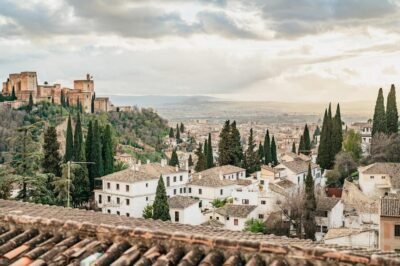 ★ 4.9Albaicín and Sacromonte Guided Sunset Walking TourFrom $172,962 reviews
 ★ 4.7Flamenco Show in Albaycin – Jardines de ZorayaFrom $281,234 reviews
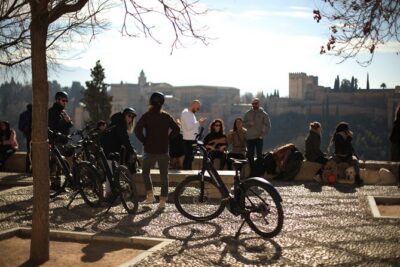 ★ 5.0Albaicin & Sacramonte Electric Bike Tour in GranadaFrom $541,044 reviews
 ★ 4.9Albaicin and Sacromonte E-Bike TourFrom $53852 reviews
 ★ 4.7Albaicín and Sacromonte 2.5-Hour Walking TourFrom $23777 reviews
 ★ 4.5Albaicín and Sacromonte Walking TourFrom $18665 reviews
 ★ 5.0Albaicin and Sacromonte Segway TourFrom $59626 reviews
 ★ 4.5Granada’s Hidden Treasures: Albayzin and Sacromonte Walking TourFrom $30575 reviews
Other Granada pages with this tour