
REVIEW · ALBAICíN OLD QUARTER TOURS
Granada Citycenter&Albayzin
Granada feels like two cities in one, and this walk is the quick way to see both. You’ll start in the historic core around Plaza Isabel la Católica and end in the Albayzín with the San Nicolás viewpoint in your legs and camera roll. What I really like is the small group size (max 12) and the practical headset setup so you do not miss turns or key stories. One thing to consider: it is a mostly on-foot route with uphill steps, so comfy shoes matter.
This is a great plan if you want more than the Alhambra headline. You get the Cathedral area, the Royal Chapel, market streets like the Alcaicería, then the steep, old-world alleys of Albayzín. If you are sensitive to cobblestones or steep climbs, bring your best walking rhythm.
Key Highlights Worth Paying Attention To
- Small group walking pace (max 12), so questions and detours for context actually happen
- Headsets help you hear your guide clearly at every stop
- Local and official-style guiding, focused on Granadian culture and how the places connect
- Market history on foot, from the Corral del Carbón to the Alcaicería
- Big monument hits in 2 hours, including the Cathedral and the Royal Chapel
- Albayzín viewpoint finish at San Nicolás, with the city laid out below
Other routes up through the Albaicin
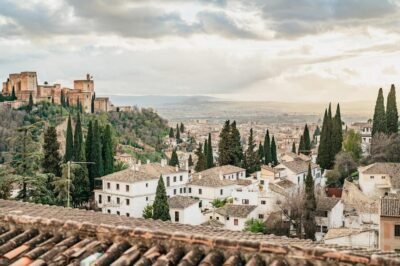
- Granada: Albaicín and Sacromonte Guided Sunset Walking Tour★ 4.9 · 2,962 reviews
- Granada: Flamenco Show in Albaycin – Jardines de Zoraya★ 4.7 · 1,234 reviews
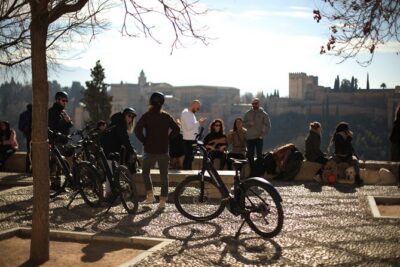
- Albaicin & Sacramonte Electric Bike Tour in Granada★ 5.0 · 1,044 reviews
- Granada: Albaicin and Sacromonte E-Bike Tour★ 4.9 · 852 reviews
Why This Granada City Center and Albayzín Walk Works So Well

Granada does not only live in the Alhambra. It lives in the streets between it, and this tour is built to show you that “in-between” space fast.
I like that the tour keeps moving, but it does not feel rushed. You get a clear thread from the Catholic Monarchs era, through Nasrid-era remnants, into the maze of the UNESCO Albayzín. And because the group is capped at 12, you can usually see what your guide is pointing at without doing the awkward shoulder shuffle.
My other favorite part is the attention to sound and detail. With the headset option, you hear the guide even at busy corners and in echo-prone streets. That matters in Granada, where the most interesting bits can be one door, one inscription, or one alley away.
The main drawback is physical. You are walking on uneven ground and then doing a climb to the viewpoint. It is manageable for fit visitors, but it is not a sit-and-stroll plan. Bring water, keep your pace steady, and plan to take it one switchback at a time.
Start at Plaza Isabel la Católica, Then Hit the Nasrid Link at Corral del Carbón
Your tour begins at Plaza Isabel la Católica, which is a good “home base” feeling spot. From there, you work your way toward one of the more specific Granada landmarks: Corral del Carbón.
Corral del Carbón is described as the only preserved alhóndiga from the Nasrid period in the country. If you’ve only seen Granada through palaces, this stop is a useful reality check. It shows you how trade and storage worked in earlier Granada, and it adds texture to the city beyond royal monuments.
This is a guided visit, so you do not just look at walls. You get the why behind the building’s survival and what it represents in the timeline of Granada. It is the kind of stop that makes the later Cathedral area make more sense, because you can see the layers shifting over time.
Practical tip: when the guide points out small features, take a second. Some details in historic buildings are easy to miss while you are moving, especially if you are also trying to match the route with your phone map.
Alcaicería and Plaza Bib-Rambla, Granada’s Market Streets in Two Tastes
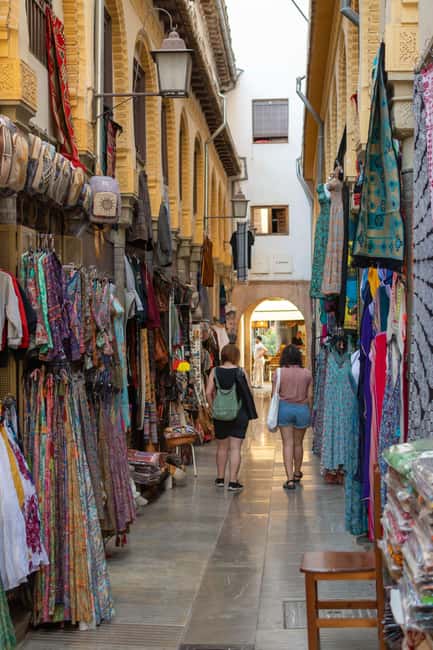
After Corral del Carbón, you head into the Alcaicería, an old souk area. This is where I think the tour score goes up, because you are not only getting monuments. You’re getting the “everyday Granada” version of the city.
The Alcaicería is framed as a place that can remind you of markets in Marrakech. That comparison is not just poetic. It helps you imagine what a souk did: a concentrated zone for crafts, trade, and specialty goods, rather than a random collection of shops.
If you’re into shopping but hate tourist traps, this is one of the better segments to wander. You can look for inlay work and pieces tied to traditional craft traditions mentioned for Granada, including fajalauza style ceramics. The tour itself gives you context, so you know what you are seeing instead of just browsing for souvenirs.
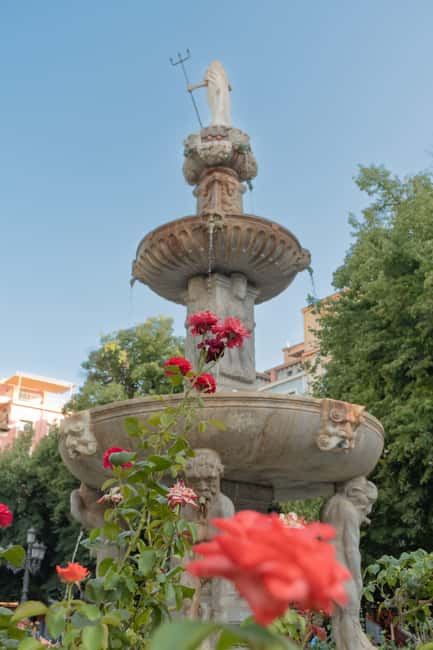
Then comes Plaza Bib-Rambla, which is a story hotspot in the middle of it all. It is also where the tour points you toward the classic Granada comfort pairing: chocolate and churros. I like this stop because it gives you a natural break point to refuel without turning the tour into a long café detour.
Small reality check: if you stop for food, do it quickly so you stay with the group. The best value in a 2-hour walk is staying on rhythm.
Granada Cathedral and Royal Chapel, Three Architectural Styles and Medieval Graffiti
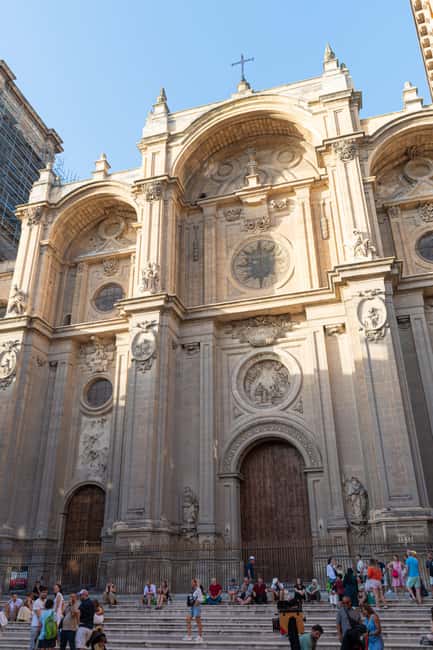
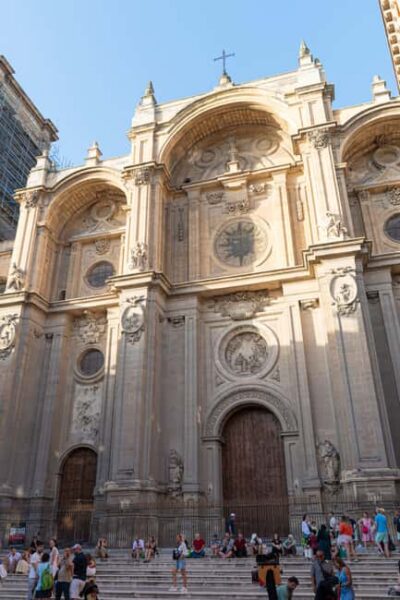
Next you move into the monument zone, starting with the Granada Cathedral. What stands out here is the note that the Cathedral includes three different architectural styles. That single detail is a mini lesson in Granada’s changing power and taste over centuries.
You also get a fascinating detail that keeps the stop from becoming purely scenic. The tour mentions medieval graffiti on the Cathedral walls. That kind of thing can be easy to overlook on your own, because you expect “official” art or polished surfaces. Graffiti changes your mental image of the site. It becomes a lived-in space, not just a postcard backdrop.
Right in front you then reach the Royal Chapel of Granada, described as the mausoleum of the Catholic Monarchs. This is one of those places where the guide can make the visit feel more readable, because you are looking at symbols that meant something to people who lived through major shifts in Iberian history.
If you’re short on time, these stops are exactly the kind of “high relevance per minute” sightseeing that justifies a guided walk. You are not spending your energy trying to interpret architecture on your own. You get a narrative thread while you walk.
Practical tip: if you plan to take lots of photos, do it early in the stop. Light and angles change fast, and this is an area where you may share sight lines with other visitors.
Other walks through the lower streets
La Madraza, Then the Walk Toward the Albayzín Maze
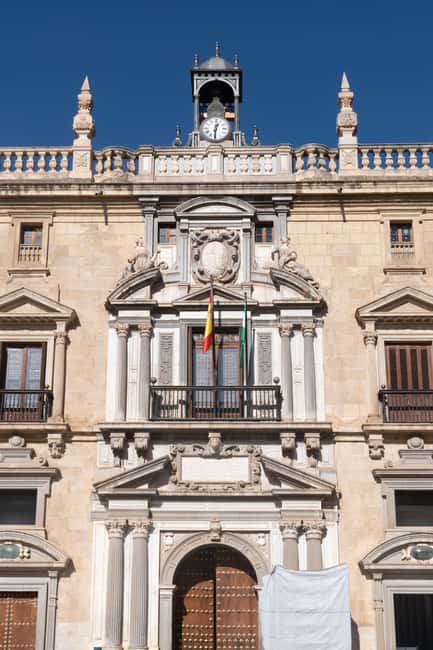
After the main monument stops, the route brings you past La Madraza. This is another place that adds depth because it keeps the story from flipping straight from Cathedral to viewpoint without showing what came before.
From there, you move to Carrera del Darro, one of the most atmospheric walking corridors in Granada. Here you also get discussion points connected to places along the route, including the Bañuelo and the Archaeological Museum of Granada.
One of the best things about this segment is that it slows you down just enough to notice the street texture. Carrera del Darro is a corridor that makes you understand why Granada neighborhoods feel like worlds of their own. Even when you are moving, you start to “see” the city instead of just passing through it.
Then you begin climbing. That climb is the functional reason the tour ends at a viewpoint. You earn the view with effort, and the guide’s commentary can make the climb feel like part of the story rather than just an obstacle.
Archaeological Museum Area and Aljibe de Trillo, Smaller Stops with Big Payoff
As you continue along the route, you reach the Archaeological Museum of Granada and then Aljibe de Trillo.
These are not the headline monuments that everybody posts on social media, and that is exactly why I like them in a guided route. When you only hit the biggest sights, Granada can feel like a list. Stops like an archaeological museum and an aljibe (water cistern) help you understand how the city worked, what people valued, and how systems like water storage mattered.
The tour frames these stops as guided visits, which usually means you get the key context without having to figure everything out alone. If you have ever walked into a museum feeling lost, you know why that’s valuable.
Practical tip: these kinds of stops can feel warmer or cooler depending on the building layout. Keep water handy and take short pauses if you need them during the climb and transitions.
Finish at Mirador de San Nicolás, Where the City Opens Up
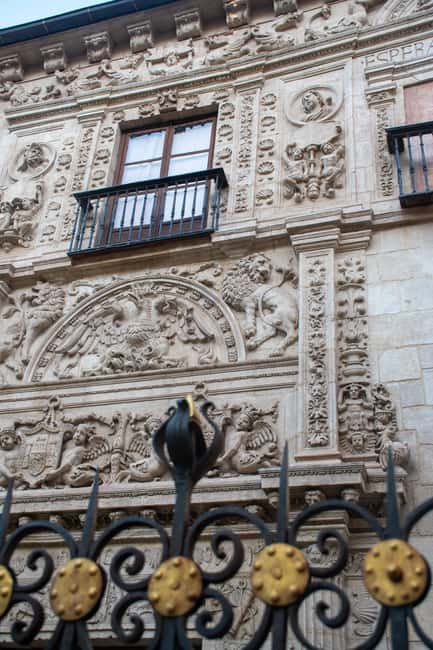
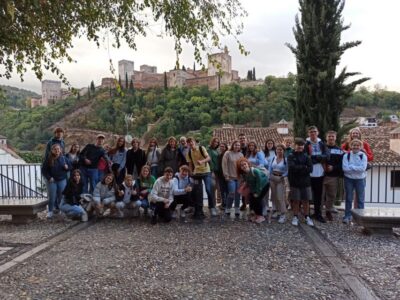
The tour ends at Mirador de San Nicolás, and this is a smart finale. After monument after monument and then a steep shift into Albayzín, you get a viewpoint that ties the whole walk together.
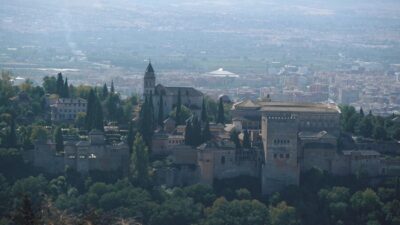
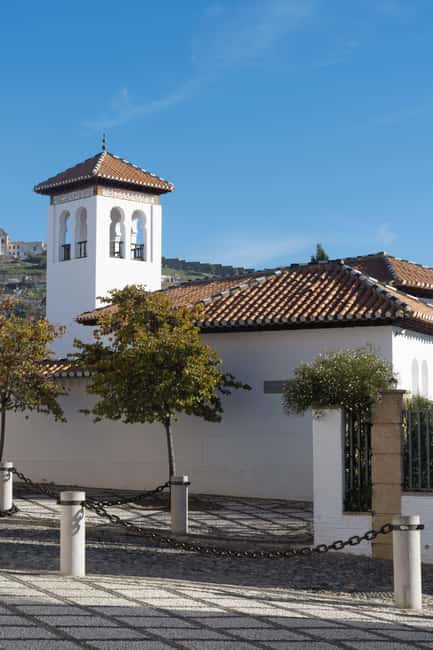
The Albayzín is known for narrow, labyrinth-like streets and steep pathways, and the viewpoint is where your brain finally makes the neighborhood map in one glance. This is also where the story feels complete. You’ve seen the historic heart, the Cathedral and Chapel anchor points, the cultural craft streets, and now you can look out and see why people describe Albayzín as a place you sort of lose yourself in.
Even if you have been to viewpoints in other European cities, Mirador de San Nicolás tends to land well because it feels connected to the neighborhood you just walked. It is not just a pretty frame, it is the payoff for the route.
The Guide Factor: Small Group, Real Culture Stories, and Good Question Energy
The tour description emphasizes an official guide focused on Granadian culture, and the feedback highlights that guides like Rasha and Rachel tend to be attentive and encouraging about questions. That matters more than people think.
A walking tour can be either a marching band or a conversation. This one aims for the second option, where you can ask why a place looks like it does, how different eras overlap, and what local culture has to do with what you’re seeing.
Because the group stays small, you are less likely to get steamrolled by the schedule. If you get stuck staring at a carved detail or graffiti marks, the guide usually notices and explains. That is the kind of experience you remember later.
One more practical note: headsets are included with the setup described, so even if the group gets a bit spread out around corners, you can still catch the guide’s narration.
Price and Value: $17 for Two Hours of Actual Granada Seeing
At about $17 per person for a 2-hour guided walk, this price sits in the “good value, not bargain basement” zone. You are paying for a real guide, a small group, and headsets, which is what makes the difference between a simple self-guided stroll and a structured “I learned something and I saw more” walk.
Tickets to monuments are not included, so think of this as a walking context tour. It tells you where to look and what to care about. If you decide you also want paid entries at specific stops, you can plan those separately without feeling like the whole tour is trapped behind long lines.
Also note there is no hotel pickup and no transportation. You should budget your time to be at the meeting point and prepared to walk. That is part of the value math too. Your money goes toward the guide experience rather than logistics.
If you only have a couple of hours in Granada and you want the center plus Albayzín, this is a strong way to use limited time without feeling like you saw only the famous Alhambra bubble.
Who This Tour Suits Best (And Who Should Rethink It)
This tour fits best if you:
- Want the big Granada monuments plus the Albayzín streets in one pass
- Like cultural context, not just photo stops
- Can walk comfortably over uneven surfaces and handle an uphill climb
- Appreciate hearing details clearly through headsets
It may not be ideal if you:
- Use a wheelchair, since it is not suitable for wheelchair users
- Need baby stroller access, since baby strollers are not allowed
- Prefer a fully flat route with minimal steps
If you’re visiting with kids, you’ll want to consider age and stamina, because the climb and cobblestones can be harder than the time on paper suggests.
Should You Book Granada City Center and Albayzín?
I recommend booking if you want a focused Granada primer that goes beyond the obvious. For the price, you get a small group, headsets, and a guide who keeps the cultural connections moving from Nasrid-era remnants to Catholic Monarch era landmarks and into the Albayzín climb.
Book it if you are confident on your feet and you like walking through real neighborhoods, not just standing in big-sight lines. Skip or switch plans if steep climbing and uneven ground are dealbreakers for you.
If you do book, the smart move is to show up with comfortable shoes and water, arrive at the meeting point near the statue, and plan to use the final viewpoint as your reward. This tour is built to make that moment feel earned.
FAQ
Where does the tour meet?
The meeting point is Plaza Isabel La Católica. Look for the light blue umbrella next to the statue.
How long is the tour?
The tour lasts 2 hours.
What is included in the price?
You get a guided tour, headsets (from 6 people), and a small group of a maximum of 12 people.
Are monument tickets included?
No, tickets to the monuments are not included.
What should I bring?
Bring comfortable shoes and water.
Is this tour accessible for wheelchairs or strollers?
It is not suitable for wheelchair users, and baby strollers are not allowed.
More Tour Reviews in Granada
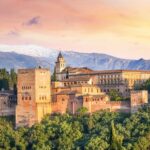
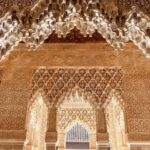
Down in the Lower Streets
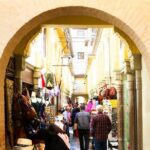
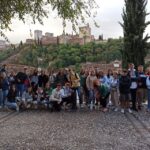



Keep Climbing the Albaicin




Just added from around Granada


Albaicín Old Quarter Tours, side by side.
 ★ 4.9Albaicín and Sacromonte Guided Sunset Walking TourFrom $172,962 reviews
 ★ 4.7Flamenco Show in Albaycin – Jardines de ZorayaFrom $281,234 reviews
 ★ 5.0Albaicin & Sacramonte Electric Bike Tour in GranadaFrom $541,044 reviews
 ★ 4.9Albaicin and Sacromonte E-Bike TourFrom $53852 reviews
 ★ 4.7Albaicín and Sacromonte 2.5-Hour Walking TourFrom $23777 reviews
 ★ 4.5Albaicín and Sacromonte Walking TourFrom $18665 reviews
 ★ 5.0Albaicin and Sacromonte Segway TourFrom $59626 reviews
 ★ 4.5Granada’s Hidden Treasures: Albayzin and Sacromonte Walking TourFrom $30575 reviews
Other Granada pages with this tour