
REVIEW · ALBAICíN OLD QUARTER TOURS
Granada in full: Albaicin & the Historic Centre
Granada looks different from every street. This fast-paced walk links the oldest quarter, the Albaicín, with the historic center, starting at Puerta de Elvira and using a chronological storyline so the city makes sense. I love that the best viewpoints are built right into the route, so you get photos and perspective without wasting time.
You’ll also appreciate the practical flow of the tour and the way guides keep it organized. In my notes, guide Martha is specifically called out as great at making the walk clear and fun, which matters when you have only a few hours. The one possible drawback: the Albaicín is hilly, and you will be walking up and down old cobbled streets, so it is not a good match for mobility impairments or wheelchair users.
If you’re short on time, this is a strong way to get your bearings fast. It runs about 3 hours with a live local guide in Spanish or English, and it’s priced around $23 per person for a route packed with landmarks and viewpoints.
Key highlights worth planning for
- Puerta de Elvira start puts you right at the city origins, before you climb into older streets
- Mirador de la Lona gives you an early payoff and a sense of the terrain
- Plaza de San Nicolás and San Nicolás area sets you up for classic viewpoint moments
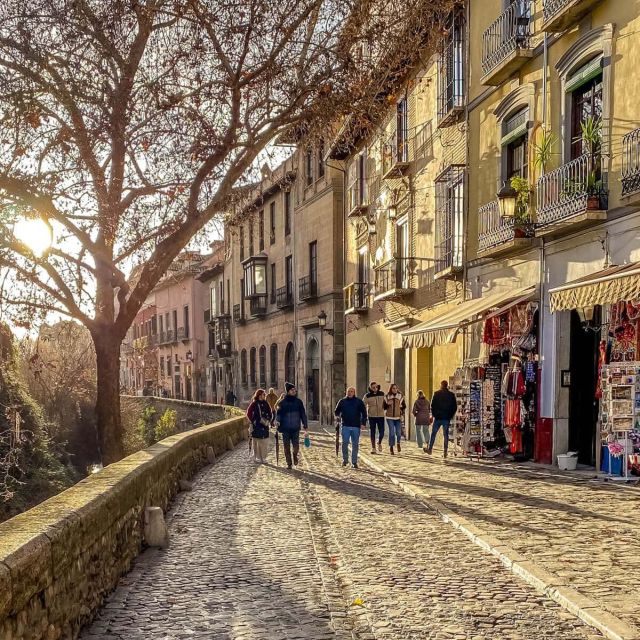
- Paseo de los Tristes is a dedicated photo and walking segment so you do not rush the best angles
- Gran Vía de Colón to the Royal Chapel and Cathedral area helps you understand Granada’s evolution in one compact loop
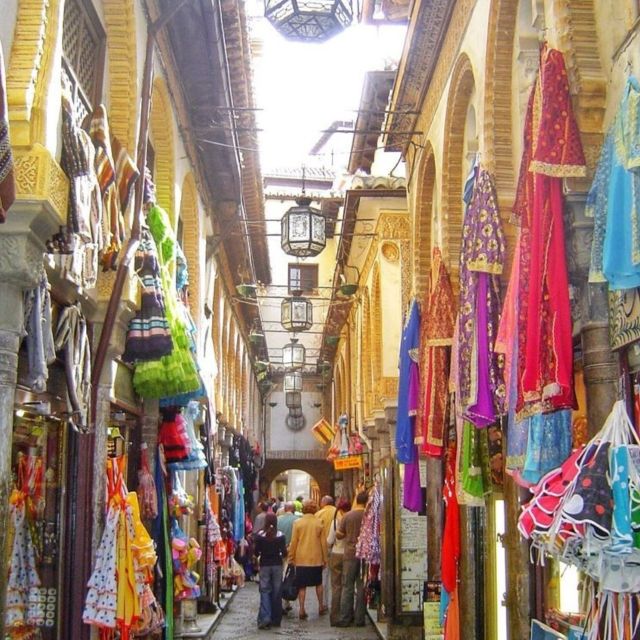
- Alcaicería Market and Bib-Rambla Square add everyday city energy, not just formal monuments
Other routes up through the Albaicin
- Granada: Albaicín and Sacromonte Guided Sunset Walking Tour★ 4.9 · 2,962 reviews
- Granada: Flamenco Show in Albaycin – Jardines de Zoraya★ 4.7 · 1,234 reviews
- Albaicin & Sacramonte Electric Bike Tour in Granada★ 5.0 · 1,044 reviews
- Granada: Albaicin and Sacromonte E-Bike Tour★ 4.9 · 852 reviews
Starting at Puerta de Elvira: your orientation game plan
Most first-time Granada plans fail because they focus on places, not on flow. This one starts at Puerta de Elvira, next to the Gate, which is a smart choice if you want your map skills to kick in quickly. From here, you work through the city along a chronological path, so the stops are not random.
You’ll meet right by the gate with the official guide badge visible, which makes it easier to avoid that awkward wandering around at the start. Then you begin walking, with enough structure that even if you have never been to Granada before, you still feel like you’re moving with purpose.
One practical tip: wear shoes you’re comfortable climbing in. The tour is designed for walking, and the Albaicín later confirms that you will be dealing with slopes and cobbles.
Albaicín quarter: cobbles, climbs, and viewpoint momentum

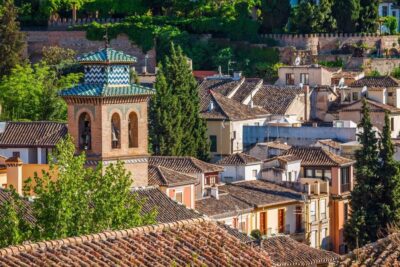
The Albaicín is the oldest neighborhood in Granada, and the tour treats it like the backbone of the city. That matters because once you see the shape of the area from viewpoints, the rest of Granada clicks. The streets are old and uneven, and you’ll be going up and down throughout this part of the walk.
Expect a classic hillside neighborhood feel: narrow ways, stone surfaces, and frequent turns that make each sight feel like a new discovery. This is also where you start building a mental picture of where Granada’s key “lookout moments” sit relative to the city.
If you have any knee issues or you know you struggle on cobblestones, take the accessibility note seriously. The tour is not designed for wheelchair users, and it is not suitable for mobility impairments due to the hilly terrain and walking demands.
Mirador de la Lona: the early photo stop that pays off

Before you go deep into the winding streets, you hit Mirador de la Lona. It’s a short guided moment with quick sightseeing time, around ten minutes. That timing is useful. You get your first sweeping perspective early enough that it helps you understand the hill and orientation as you continue.
This is a good stop to practice your “one good photo, then move on” rhythm. Viewpoints in Granada are fantastic, but if you linger too long at one angle, you’ll feel rushed later in the walk. Here, the tour gives you enough time to capture the view without losing the rest of the route.
Monaita Gate, Royal Convent of Santa Isabel, and San Miguel Bajo

Next comes a cluster of stops that show how Granada’s city fabric holds layers. You move through the Puerta Monaita area, then you’re guided around the Royal Convent of Santa Isabel La Real and the Iglesia de San Miguel Bajo.
What I like about including these is that they give context beyond the scenery. Viewpoints are great, but the tour also shows you how religion, governance, and community spaces shaped the feel of the neighborhood. Even when you only spend about five to fifteen minutes per stop, you come away with names you can connect later when you revisit on your own.
Think of this part as your “people and place” segment. Churches and convent spaces aren’t just buildings here. They are part of how Granada’s daily life and identity got written over time by different cultures.
Other walks through the lower streets
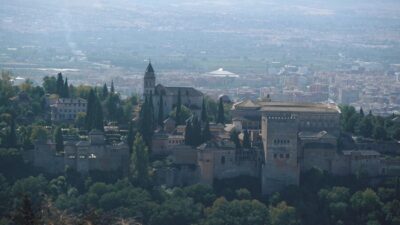
Plaza de San Nicolás: the viewpoint hub you will remember

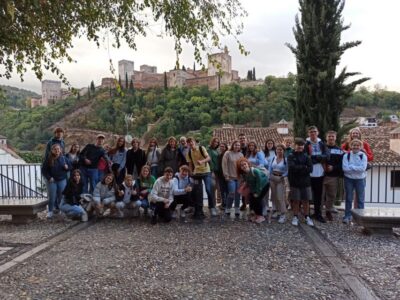
One of the most important moments on this walk is Plaza de San Nicolás. You get a photo stop plus guided time and free time, about twenty minutes total. This is the kind of pause that lets the city settle into your brain. You’re high enough to appreciate the view, and you’re close enough to feel the neighborhood energy.
The tour also pairs this area with the wider San Nicolás viewpoint experience, including the church viewpoint connection. So you’re not just standing in one spot. You get a structured sense of what you’re seeing and why it’s a classic.
If you want a small strategy: arrive calm, take a first look, then turn for a second photo from a slightly different angle. Granada rewards small changes in position.
Paseo de los Tristes: an easy photo walk break

After San Nicolás, you head toward Paseo de los Tristes. This is listed as a photo stop with sightseeing and walking time. In plain terms, it’s your “slow down for a moment” segment inside the overall 3-hour plan.
The value here is pacing. You are already climbing and turning through the old streets, and this stop gives you a break where you’re not only learning. You’re also taking in the scenery.
If you are with someone who is less interested in monuments, this section keeps them engaged. It’s scenery first, then quick context.
Plaza Nueva, Santa Ana Church, and the civic feel of Granada

Then the walk transitions toward Plaza Nueva, which is one of those Granada squares where you can reset. The tour keeps the time efficient, with photo and guided moments plus walking. This is where the “hillside neighborhood Granada” shifts toward the “center of the city Granada” mood.
From there, you’ll pass by Church of Santa Ana, and you’ll start seeing more of the architecture and space that reflects Granada’s later civic and religious importance.
A useful way to think about this middle section: you’re not just moving location. You’re moving themes. Early on, it’s about origins and older quarters. Later, you see how the city developed and organized itself as power and institutions became more formal.
Royal Chancery, Gran Vía de Colón, and the Royal Chapel

The tour continues with Royal Chancery and then Gran Vía de Colón, before reaching the Royal Chapel of Granada. Even though each stop is time-limited, the guided segments are designed to help you connect the dots.
You’re learning about the contrast of different civilizations and cultures that passed through the region. The route is meant to follow a timeline, so by the time you reach the Royal Chapel, you have enough context to understand why this site matters in the city’s story.
If you’re the type who likes to read the city like a book, this section will satisfy you. It turns Granada from a collection of pretty corners into a coherent narrative.
Madrasa and Alcaicería Market: names that help you navigate later
A smart move on this tour is including the Madrasa and the Alcaicería Market. These are the kinds of places people often skip on short visits because they do not look like the biggest postcard monuments. But that is exactly why they’re valuable.
The Madrasa stop reinforces the cultural timeline. The Alcaicería Market adds a more everyday feel, and a market visit is one of the best ways to experience a city beyond squares and churches.
This part is also great if you like to leave with practical “I know what that place is” knowledge. Having the names in your head makes it easier to explore on your own after the tour ends.
Bib-Rambla Square and Granada Cathedral: the final big anchor
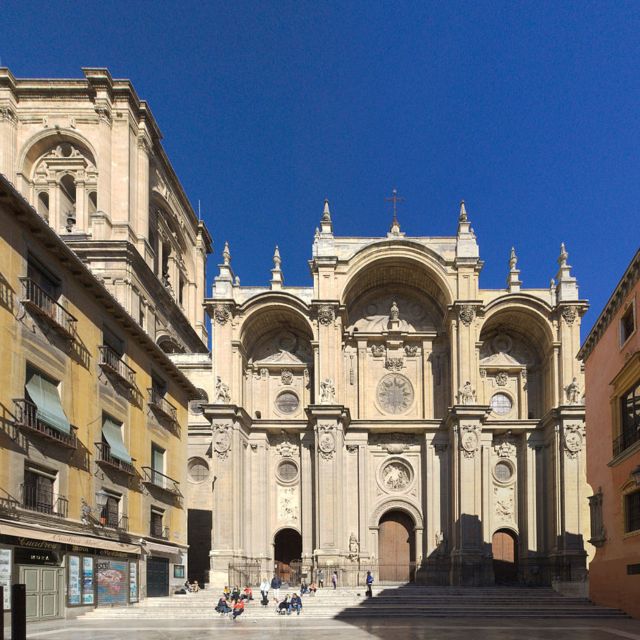
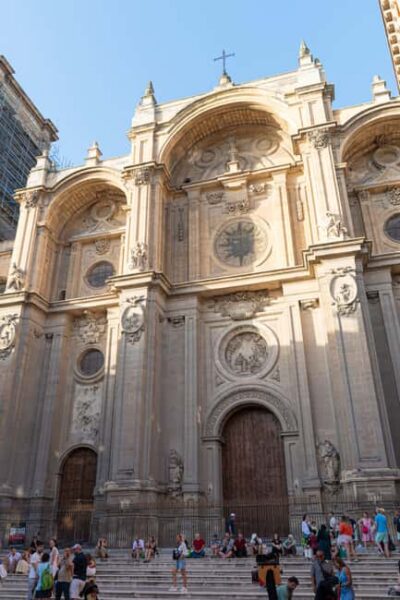
You finish with major center landmarks, including Bib-Rambla Square and Granada Cathedral. The cathedral area is a fitting closing point because it’s a clear visual anchor and a place you can revisit later if you want extra time.
One reason I recommend this stop sequence for short trips: it gives you variety. You end in the center with the scale of a big landmark while still having just come from older quarters. That contrast makes the whole day feel complete.
Price and value: what $23 buys you in 3 hours
At around $23 per person, you’re paying for something you’d struggle to replicate on your own in such a short window: a guided, structured walk that hits multiple viewpoints and major landmarks without requiring you to research every turn.
For comparison, a one-ticket museum day can eat your whole schedule in a single building. Here, you get movement through the city, guided explanations, and several named stops that help you understand Granada’s layers fast.
If you’re traveling solo or with a friend who wants a plan, this format is especially good. You avoid the common mistake of wandering randomly and missing the key viewpoint opportunities.
Who should book this Granada walk?
You’ll be happiest with this tour if you:
- have only a few hours in Granada and want an efficient route
- want viewpoint time plus context on what you’re seeing
- enjoy walking and don’t mind slopes and cobbled streets
You might want to choose something else if you:
- need wheelchair access or have significant mobility limitations
- want long, slow time inside major buildings, since many stops are short by design
Should you book this one?
Yes, book it if your priority is getting oriented and seeing the best of Albaicín and the historic center in a tight time window. The route is built around viewpoint moments and key landmark names, and the guide experience matters here. Martha’s style is specifically noted as great, and that is a big deal on a 3-hour walking tour.
If your biggest need is maximum comfort or minimal walking, take the accessibility warning seriously and look for a different option.
FAQ
How long is the tour?
The tour duration is about 3 hours.
What is the price per person?
The listed price is $23 per person.
Where do I meet the guide?
Meet next to Puerta de Elvira with the official guide accreditation visible.
Where does the tour end?
The activity is described as ending back at the meeting point area. The final listed sights include Granada Cathedral.
What languages are available?
The live tour guide is available in Spanish and English.
Is this tour suitable for wheelchair users?
No. It is not suitable for wheelchair users and is not suitable for people with mobility impairments.
What kind of stops should I expect?
You can expect a mix of viewpoint stops, churches and convent sites, market time, and major landmarks including Granada Cathedral.
Does the tour include viewpoints?
Yes. Viewpoint stops listed include Mirador de la Lona, the Plaza de San Nicolás area, and the Paseo de los Tristes photo stop, plus other viewpoint moments along the way.
Can I cancel and get a refund, and do I have to pay now?
You can cancel up to 24 hours in advance for a full refund. You can also reserve now and pay later to keep plans flexible.
More Tour Reviews in Granada

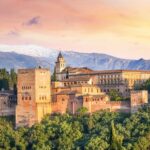
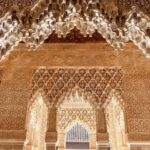
Down in the Lower Streets
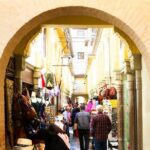
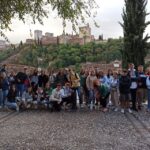



Keep Climbing the Albaicin



Just added from around Granada

Albaicín Old Quarter Tours, side by side.
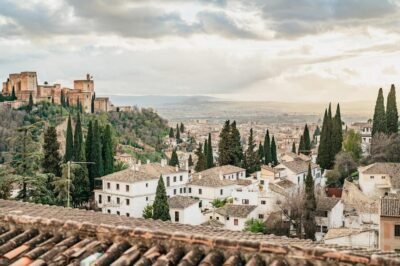 ★ 4.9Albaicín and Sacromonte Guided Sunset Walking TourFrom $172,962 reviews
 ★ 4.7Flamenco Show in Albaycin – Jardines de ZorayaFrom $281,234 reviews
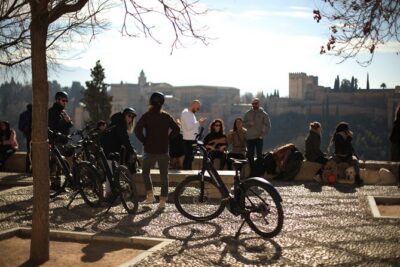 ★ 5.0Albaicin & Sacramonte Electric Bike Tour in GranadaFrom $541,044 reviews
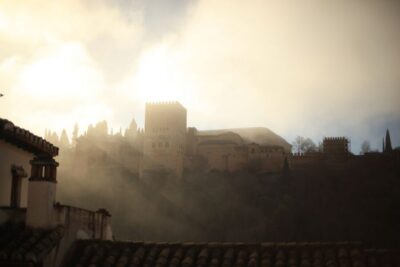 ★ 4.9Albaicin and Sacromonte E-Bike TourFrom $53852 reviews
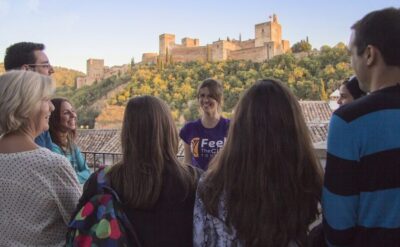 ★ 4.7Albaicín and Sacromonte 2.5-Hour Walking TourFrom $23777 reviews
 ★ 4.5Albaicín and Sacromonte Walking TourFrom $18665 reviews
 ★ 5.0Albaicin and Sacromonte Segway TourFrom $59626 reviews
 ★ 4.5Granada’s Hidden Treasures: Albayzin and Sacromonte Walking TourFrom $30575 reviews
Other Granada pages with this tour